English below
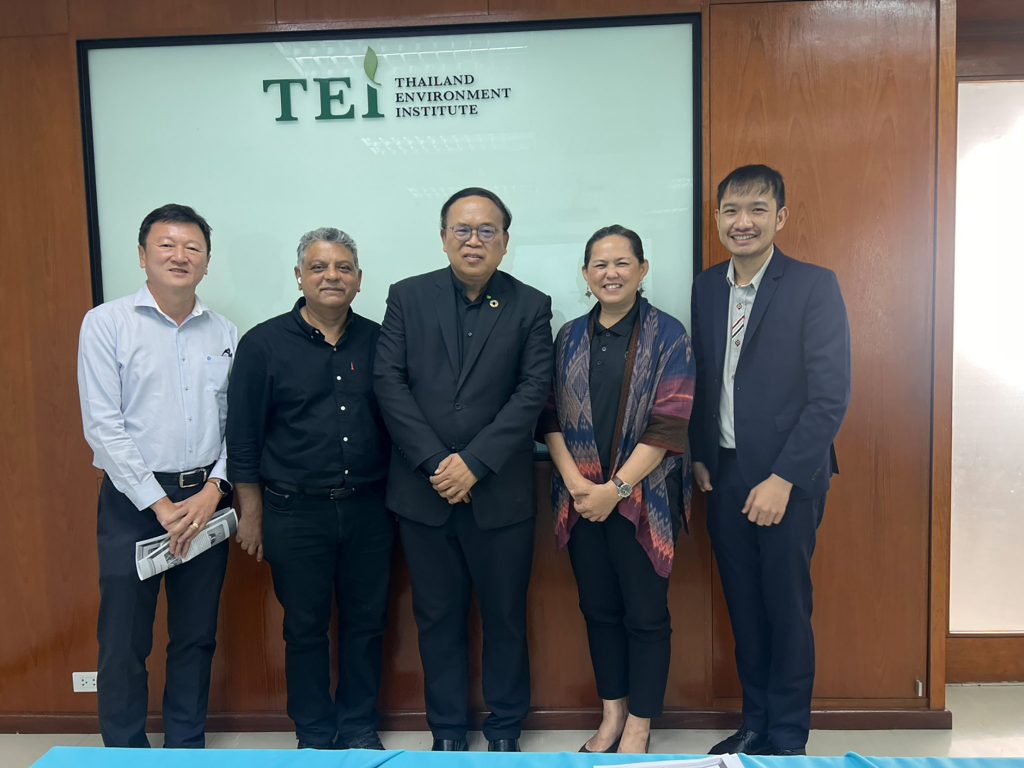
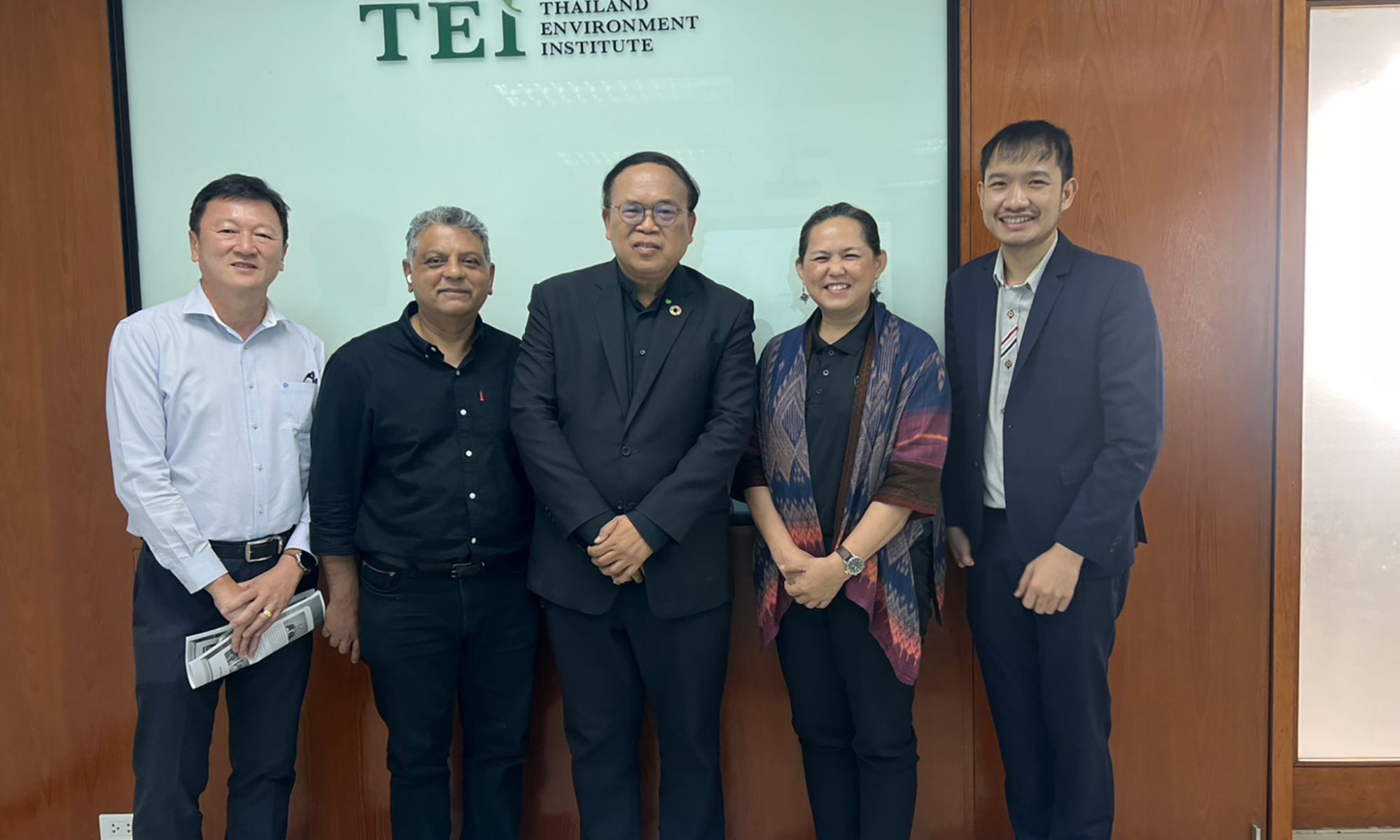
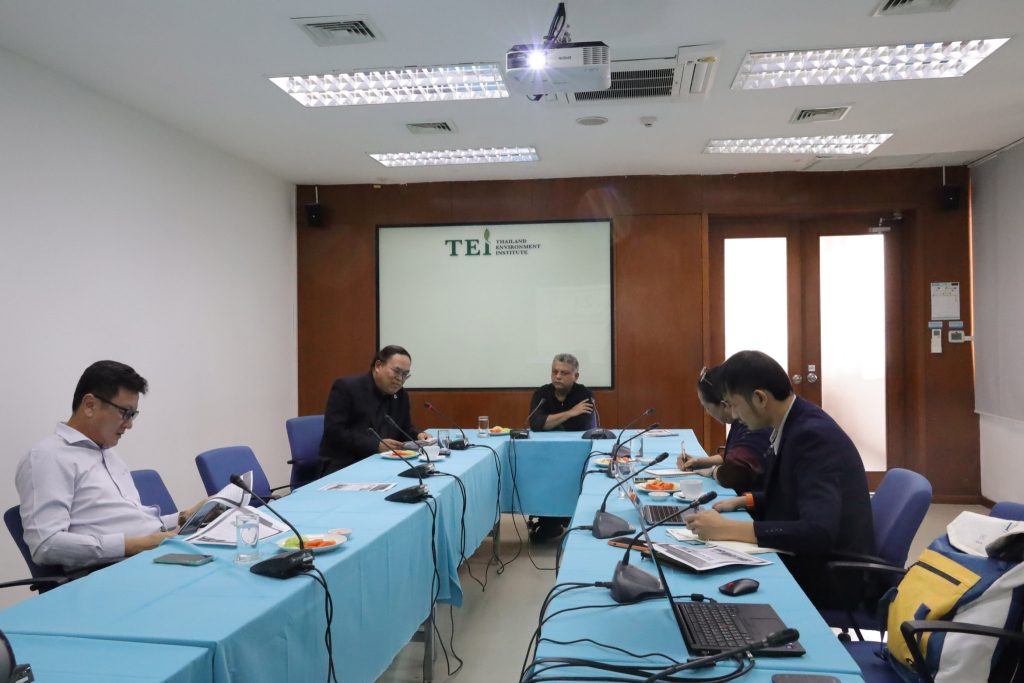
13 กุมภาพันธ์ 2569 – เครือข่ายปาล์มน้ํามันยั่งยืนประเทศไทย (Thailand Alliance for Sustainable Palm Oil: TASPO) จัดการประชุมคณะกรรมการเครือข่ายฯ ครั้งที่ 1/2569 ณ มูลนิธิสถาบันสิ่งแวดล้อมไทย เพื่อระดมความเห็นและกำหนดทิศทางเชิงกลยุทธ์ในการขับเคลื่อนอุตสาหกรรมปาล์มน้ำมันของไทย ภายใต้บริบทความท้าทายของกติกาสากลด้านสิ่งแวดล้อม (Global Sustainability Mandates) โดยที่ประชุมได้วางกรอบการดำเนินงานสำคัญ มุ่งเน้นการผลักดันนโยบายระดับชาติ (Policy Advocacy) การเชื่อมโยงตลาด และการปิดช่องว่างในระบบห่วงโซ่อุปทานเพื่อความยั่งยืนที่แท้จริง
ดร.วิจารย์ สิมาฉายา ผู้อำนวยการสถาบันสิ่งแวดล้อมไทย ในฐานะเลขานุการเครือข่าย TASPO กล่าวว่า การขับเคลื่อนในปี 2569 นี้ จะเป็นการเปลี่ยนผ่านจาก “การสร้างการรับรู้” สู่ “การปฏิบัติที่เป็นเลิศ” (From Awareness to Best Practices) โดย TASPO จะมุ่งเน้นการเตรียมความพร้อมให้กับผู้มีส่วนได้ส่วนเสียทุกภาคส่วนเพื่อรับมือกับมาตรการทางการค้าระหว่างประเทศที่เข้มงวดขึ้น อาทิ กฎหมายสินค้าปลอดการตัดไม้ทำลายป่าของสหภาพยุโรป (EUDR) และมาตรฐาน RSPO ฉบับใหม่ (2024 Standards) และมุ่งเน้นการสร้างมูลค่าเพิ่มทางเศรษฐกิจควบคู่ไปกับการรักษาเสถียรภาพทางสิ่งแวดล้อม
สาระสำคัญจากการประชุมประกอบด้วยยุทธศาสตร์หลัก 4 ด้าน ประกอบด้วย
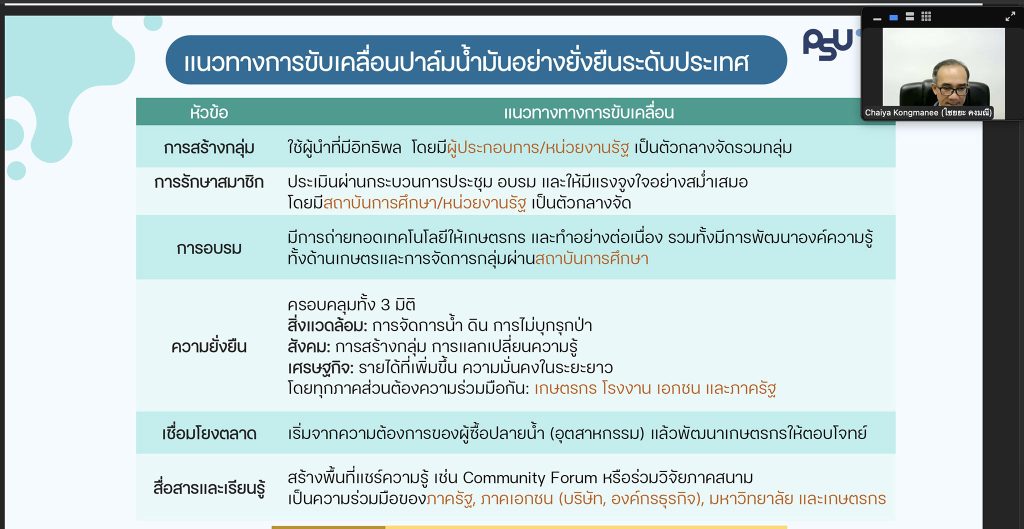
1. การขับเคลื่อนเชิงนโยบายบนฐานข้อมูล (Evidence-Based Policy Advocacy) ที่ประชุมเห็นชอบให้นำผลสรุปนโยบาย (Policy Brief) จากสถาบันวิจัยและนวัตกรรมปาล์มน้ำมันฯ มหาวิทยาลัยสงขลานครินทร์ มาใช้เป็นฐานในการผลักดันประเด็นสำคัญ ได้แก่ การจัดการโซนนิ่งพื้นที่ปลูกที่เหมาะสม (Zoning) การสร้างระบบฐานข้อมูลกลางเพื่อติดตามสต็อกน้ำมันปาล์ม (Centralised Monitoring System) และการผลักดันให้ภาครัฐนำร่องนโยบาย “การจัดซื้อจัดจ้างสีเขียว” (Green Procurement) เพื่อสร้างอุปสงค์ต่อสินค้าที่ได้รับการรับรองมาตรฐานในประเทศ
2. โมเดลบูรณาการเพื่อลดช่องว่างในห่วงโซ่อุปทาน (Integrated Supply Chain Model) เพื่อแก้ไขปัญหาการรั่วไหล (Leakage) ของผลผลิตที่ได้รับการรับรองมาตรฐาน RSPO จากกลุ่มเกษตรกรรายย่อย ที่ประชุมได้เสนอ “โมเดล 3 ประสาน” (เกษตรกร-ลานเท-โรงงาน) โดยมุ่งยกระดับ “ลานเท” ให้เข้าสู่ระบบมาตรฐาน ผ่าน 3 รูปแบบนำร่อง ได้แก่ โมเดล Credit-based ร่วมกับ Wild Asia, โมเดลสหกรณ์จังหวัดกระบี่, และโมเดลวิจัยเชิงปฏิบัติการ (Action Research) ร่วมกับมหาวิทยาลัยวลัยลักษณ์ เพื่อสร้างความเชื่อมั่นในระบบตรวจสอบย้อนกลับ (Traceability)
3. การศึกษาตลาดและการสร้างแบรนด์ (Market Intelligence & Branding) TASPO เตรียมดำเนินการศึกษาตลาดเชิงลึก (Scoping Study) เพื่อวิเคราะห์ศักยภาพและโอกาสของปาล์มน้ำมันยั่งยืนไทยในเวทีโลก โดยมุ่งเป้าไปที่การสร้างแบรนด์ “Thai Palm Prime” เพื่อยกระดับภาพลักษณ์จากผู้ส่งออกสินค้าโภคภัณฑ์ สู่ผู้ผลิตสินค้าคุณภาพพรีเมียมที่ตรวจสอบได้ พร้อมทั้งเตรียมจัดทำหนังสือ “Best Practices Coffee Table Book” ในรูปแบบสองภาษา (ไทยและอังกฤษ) เพื่อใช้เป็นเครื่องมือสื่อสาร และนำเสนอให้แก่พันธมิตรระหว่างประเทศ
4. การเสริมสร้างความเข้มแข็งของเครือข่าย (Network Strengthening) ที่ประชุมกำหนดจัดงานใหญ่ประจำปี ได้แก่ Thailand Sustainable Palm Oil Dialogue ครั้งที่ 4 และ RSPO Thai Member Forum ครั้งที่ 4 ในช่วงไตรมาสที่ 2 ของปี 2569 เพื่อเป็นเวทีกลางในการแลกเปลี่ยนองค์ความรู้และเทคโนโลยี ระหว่างภาครัฐ ภาคเอกชน และภาคการศึกษา โดยเน้นประเด็น “ความรับผิดชอบร่วมกัน” (Shared Responsibility) ตลอดห่วงโซ่อุปทาน
คุณอัสนี มาลัมพุช ประธานฯ TASPO ได้สรุปและเน้นย่ำว่า “ความสำเร็จของปาล์มน้ำมันไทยในอนาคต ไม่ได้ขึ้นอยู่กับปริมาณผลผลิตเพียงอย่างเดียว แต่ขึ้นอยู่กับ “คุณภาพ” และ “ความยั่งยืน” ที่สามารถตรวจสอบย้อนกลับได้ การผนึกกำลังของ TASPO ในครั้งนี้ จึงเป็นก้าวสำคัญที่จะเปลี่ยนความท้าทายของกติกาสากล ให้กลายเป็นโอกาสในการแข่งขันของประเทศไทยในตลาดโลก”
TASPO Partners with Network Allies to Define 2026 Strategy, Aiming to Elevate Thai Palm Oil to “World-Class Sustainable Palm Oil Standard”
13 February 2026 – The Thailand Alliance for Sustainable Palm Oil (TASPO) held its 1/2026 Committee Network meeting at the Thailand Environment Institute Foundation to gather opinions and define the strategic direction for driving Thailand’s palm oil industry. This is set against the backdrop of challenges posed by international environmental regulations (Global Sustainability Mandates). The meeting established a key operational framework, focusing on policy advocacy at the national level, market linkage, and closing gaps in the supply chain system for genuine sustainability.
Dr. Wijarn Simachaya, Director of the Thailand Environment Institute and Secretary of the TASPO, stated that the drive in 2026 would mark a transition from “Awareness” to “Best Practices.” TASPO will concentrate on preparing all stakeholders to cope with stricter international trade measures, such as the European Union Deforestation Regulation (EUDR) and the new RSPO Standards (2024 Standards). Furthermore, the focus will be on creating added economic value alongside maintaining environmental stability.
The core agenda of the meeting comprised four main strategies:
1. Evidence-Based Policy Advocacy
The committee agreed to use the Policy Brief from the Palm Oil Research and Innovation Institute, Prince of Songkla University, as a foundation for promoting critical issues. These include managing appropriate planting area zoning, establishing a centralised monitoring system for palm oil stock, and encouraging the government to pioneer a “Green Procurement” policy to create domestic demand for certified products.
2. Integrated Supply Chain Model to Reduce Gaps
To address the leakage of RSPO-certified produce from smallholder farmers, the meeting proposed the “Triple-Partnership Model” (Farmer-Dealer-Mill). This model aims to elevate the “dealer” to meet standard requirements through three pilot formats: the Credit-based Model in collaboration with Wild Asia, the Krabi Provincial Co-operative Model, and the Action Research Model with Walailak University, all designed to build confidence in the traceability system.
3. Market Intelligence & Branding
TASPO plans to conduct a Scoping Study to deeply analyse the potential and opportunities for Thai sustainable palm oil on the global stage. The objective is to build the “Thai Palm Prime” brand, elevating the country’s image from an exporter of commodity goods to a producer of traceable, premium-quality products. They are also preparing a bilingual (Thai and English) “Best Practices Coffee Table Book” to serve as a communication tool and a presentation piece for international partners.
4. Network Strengthening
The meeting scheduled major annual events, namely the 4th Thailand Sustainable Palm Oil Dialogue and the 4th RSPO Thai Member Forum, during the second quarter of 2026. These events will serve as a central platform for the exchange of knowledge and technology between government, private sector, and academia, emphasising “Shared Responsibility” throughout the supply chain.
Mr. Assnee Mallumphut, TASPO Chairman, concluded and underscored that, “The future success of Thai palm oil does not depend solely on the volume of produce, but on its “Quality” and “Sustainability” which must be traceable. TASPO’s combined effort is a critical step that will transform the challenges of international regulations into a competitive opportunity for Thailand in the global market.”