English below
ชูศักยภาพไทยในฐานะผู้ผลิตอันดับ 3 ของโลก ขับเคลื่อนความร่วมมือเชิงยุทธศาสตร์ไทย–จีน เชื่อมห่วงโซ่อุปทานปาล์มน้ำมันยั่งยืน ตอบโจทย์เศรษฐกิจสีเขียวและอุตสาหกรรมปลายน้ำของจีนอย่างยั่งยืน
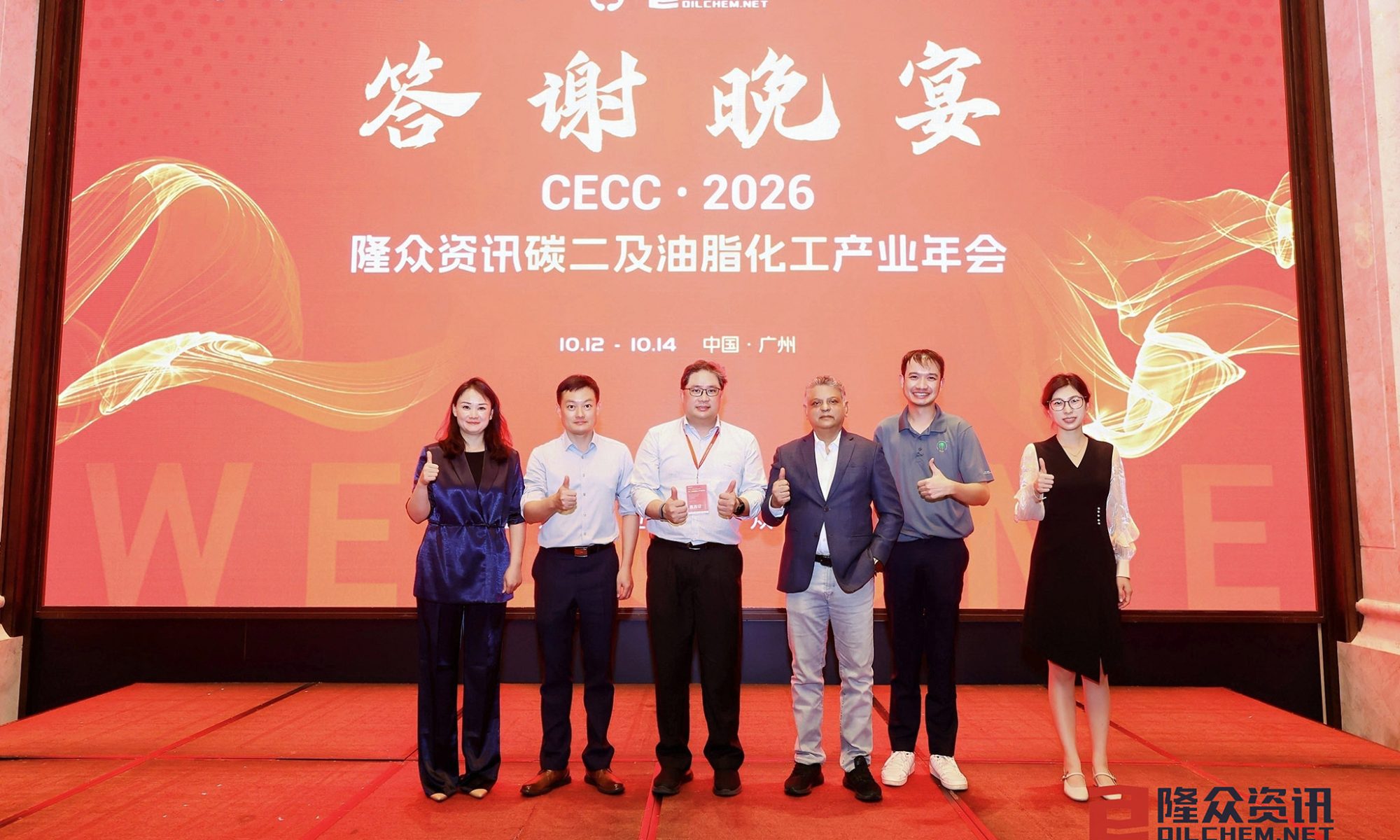
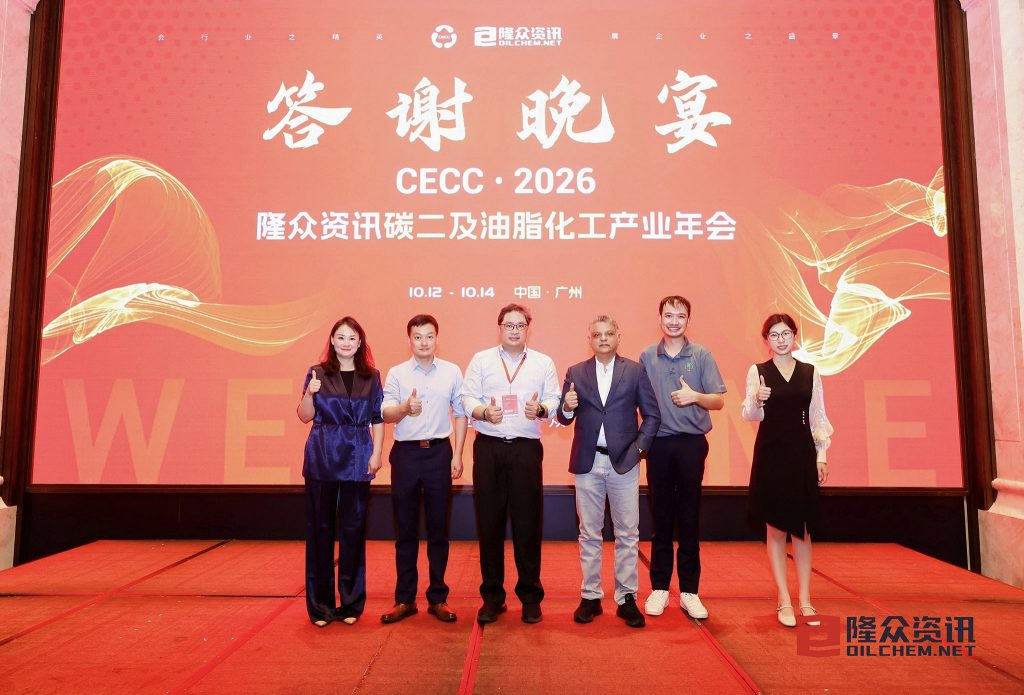
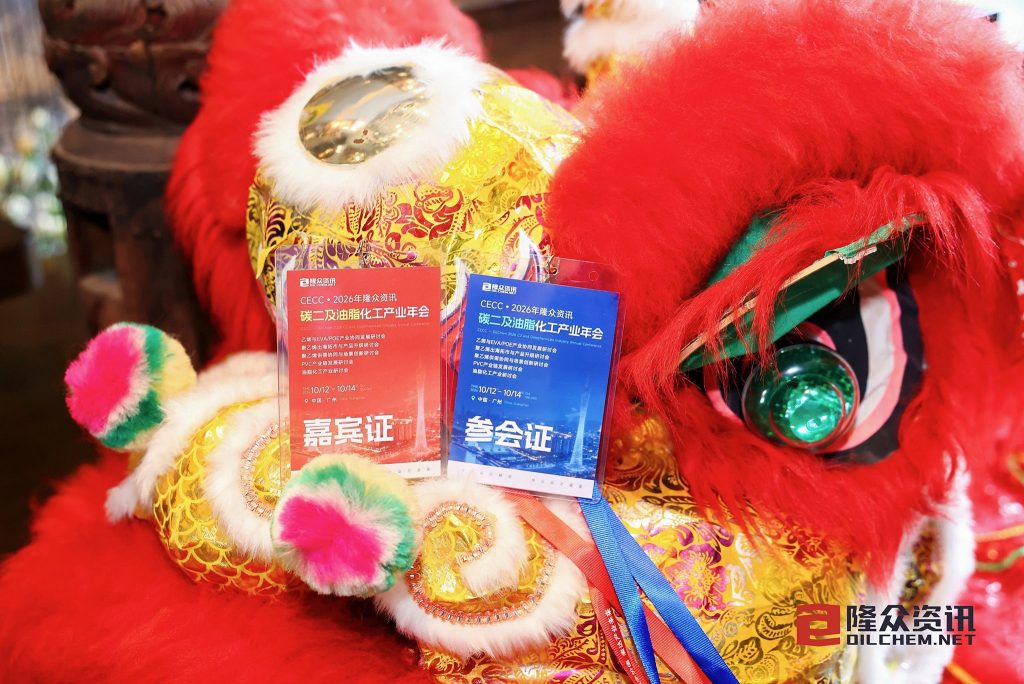
กวางโจว, 12 – 13 ตุลาคม 2569: เครือข่ายปาล์มน้ำมันยั่งยืนประเทศไทย (Thailand Alliance for Sustainable Palm Oil หรือ TASPO) และ RSPO ได้รับเกียรติจาก Shandong Longzhong Information Technology Co., Ltd. ในการรับเชิญให้เข้าร่วมงาน สัมมนา CECC 2026 OilChem C2 and Oleochemical Industry Annual Conference – Oleochemical Industry Development Seminar ณ โรงแรม Steigenberger Guangzhou เมืองกว่างโจว สาธารณรัฐประชาชนจีน โดยงานนี้มีวัตถุประสงค์ เพื่อสร้างความร่วมมือเชิงยุทธศาสตร์ระหว่าง ไทย-จีน ในด้านเชื่อมโยงทรัพยากร ด้านวัตถุดิบปาล์มน้ำมัน ที่มีคุณภาพ และระบบอุตสาหกรรมที่ได้มาตรฐานของไทย ที่สอดรับกับความต้องการ ของตลาดในประเทศจีน อันนำไปสู่การเพิ่ม มูลค่าทางการค้า การแบ่งปันเทคโนโลยี และการบูรณาการ ทรัพยากรระหว่างประเทศ ตลอดจนมุ่งเน้นให้ ผู้ประกอบการปรับโครงสร้าง การจัดหาวัตถุดิบ ให้มีความหลากหลาย ลดการพึ่งพาแหล่งผลิตเดียว รวมถึงเปิดโอกาส ในการ ยกระดับอุตสาหกรรมโอลิโอเคมี ไปสู่ผลิตภัณฑ์ ที่มีมูลค่าเพิ่มสูงขึ้น (High-Value-Added Products)
โดยในวันที่ 12 ตุลาคม 2569 ทางผู้จัดงานได้ให้เกียรติ TASPO ในการเข้าร่วมกิจกรรม การสร้างความสัมพันธ์ทางธุรกิจ (Business Matching) กับผู้ประกอบการด้านโอลิโอเคมิคัลจากประเทศจีน ซึ่งประกอบด้วย กลุ่มผู้ประกอบการภาคการผลิต กลุ่มบริษัทการค้า การจัดจำหน่าย และการค้าระหว่างประเทศ และบริษัทด้านโลจิสติกส์และการขนส่ง บริษัทคลังสินค้า โดยที่ประชุมได้แลกเปลี่ยนข้อมูล และมุมมองทางธุรกิจ เพื่อแสวงหาโอกาสในการร่วมมือทางธุรกิจ ทั้งด้านการขยายตลาด การหาคู่ค้าใหม่ และการค้าที่สอดรับกับนโยบายเศรษฐกิจสีเขียว (Green Economy) ตลอดจนการเชื่องโยงสินค้า ตลอดห่วงโซ่อุปทาน เพื่อรับมือกับผลกระทบที่เกิดจากการเปลี่ยนแปลงสภาพอากาศ ความมั่นคงด้านพลังงาน และปัญหาด้านภูมิรัฐศาสตร์เศรษฐกิจ
วันที่ 13 ตุลาคม 2569 การจัดงานสัมมนาในหัวข้อ “เชื่อมโยงทรัพยากรระดับโลก ขับเคลื่อนการยกระดับอุตสาหกรรมอย่างยั่งยืน” โดยทางผู้จัดงานให้เกียรติ TASPO ในการเป็นผู้บรรยายพิเศษ (Keynote Speaker) โดยมีสาระสำคัญ ดังนี้
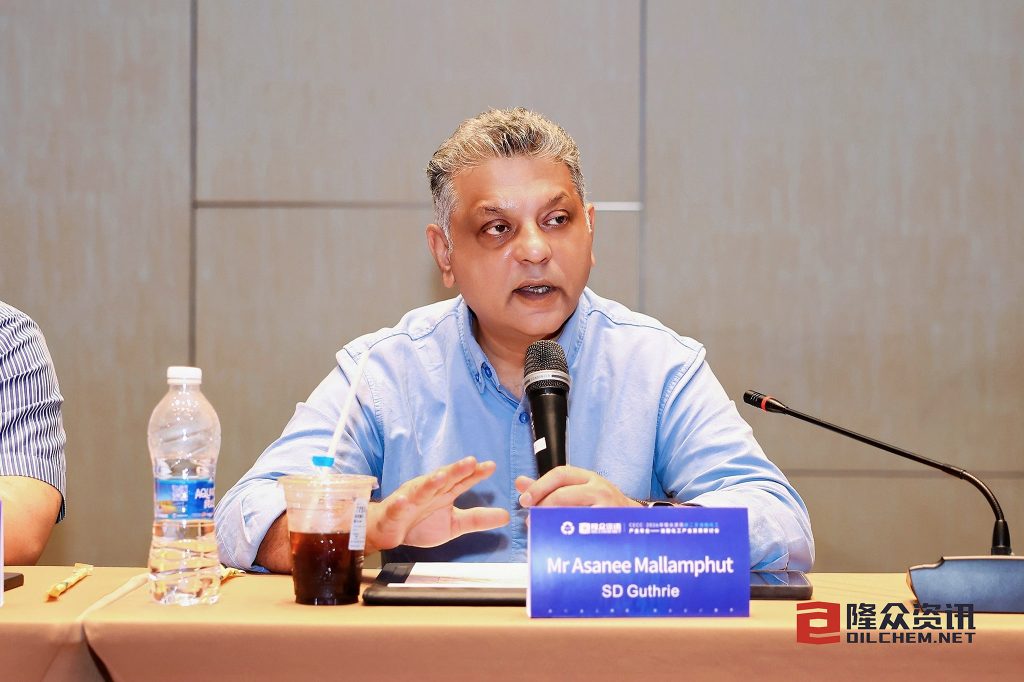
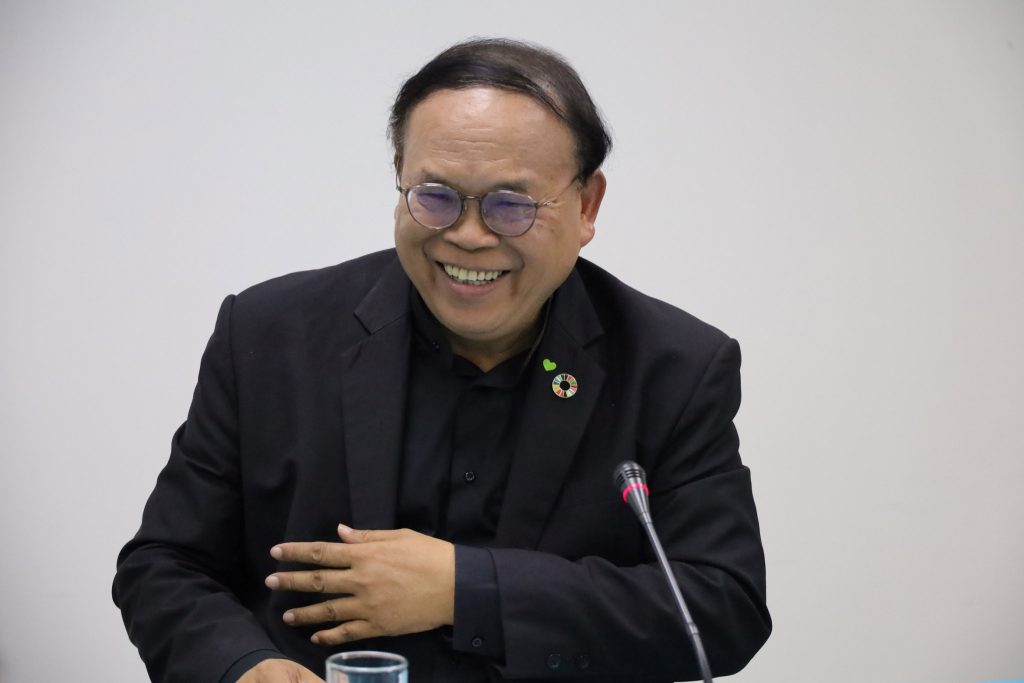
- คุณอัสนี มาลัมพุช รองประธาน TASPO และนายกสมาคมโรงกลั่นน้ำมันปาล์มประเทศไทย ได้นำเสนอในหัวข้อ “อุตสาหกรรมโอลิโอเคมีคัล และการขับเคลื่อนการพัฒนาที่เชื่อมโยงกันอย่างมีคุณภาพ และเกื้อหนุนกันของห่วงโซ่อุตสาหกรรม โอลิโอเคมีคัล ระหว่างจีน–ไทย” โดยนำเสนอศักยภาพของอุตสาหกรรมปาล์มน้ำมันของไทย ในฐานะประเทศผู้ผลิตเป็นอันดับที่สามของโลก โดยมีห่วงโซ่อุปทานที่มั่นคงและครอบคลุม ตั้งแต่เกษตรกรสวนปาล์ม โรงงานสกัด ตลอดจนอุตสาหกรรมการกลั่น และอุตสาหกรรมเกี่ยวเนื่อง นอกเหนือจากการผลิตเพื่อตอบสนองความต้องการบริโภค และด้านพลังงานภายในประเทศแล้ว ประเทศไทยยังได้เพิ่มศักยภาพการผลิต และการส่งออกไปยังอุตสาหกรรมมูลค่าเพิ่ม โดยเฉพาะอุตสาหกรรมโอลิโอเคมีคัล (Oleochemicals) ซึ่งมีกำลังการผลิตเข้มแข็ง พร้อมรองรับความต้องการวัตถุดิบ ในระดับภูมิภาคและระดับสากล ด้านตลาดการส่งออกของไทย ตลาดการส่งออกผลิตภัณฑ์ปาล์มน้ำมันของไทยมีการเติบโตอย่างต่อเนื่อง โดยเฉพาะโอลิโอเคมีคัล และกรดไขมัน (Fatty Acids) ซึ่งได้รับความต้องการสูงขึ้นอย่างมากในประเทศจีน การสร้างความร่วมมือเชิงยุทธศาสตร์ และการขยายการส่งออกไปยังตลาดจีนถือเป็นโอกาสสำคัญ ยิ่งไปกว่านั้น สิทธิประโยชน์ทางภาษี และการส่งเสริมการลงทุนในประเทศไทย ยังช่วยดึงดูดการลงทุนจากต่างประเทศ ซึ่งช่วยเสริมสร้างขีดความสามารถ การผลิตร่วมกันระหว่างไทยและจีน ทั้งในด้านการจัดหาวัตถุดิบ การพัฒนาเทคโนโลยี และการเชื่อมโยงห่วงโซ่อุปทานระดับภูมิภาคให้เข้มแข็ง สำหรับแนวโน้มราคาน้ำมันปาล์ม และผลิตภัณฑ์เกี่ยวเนื่องจะมีแนวโน้มปรับตัวสูงขึ้นตามสภาวะตลาดโลก แต่น้ำมันปาล์ม และผลิตภัณฑ์จากประเทศไทย ยังคงมีความได้เปรียบด้านการแข่งขันด้วยโครงสร้างภาษี และข้อตกลงทางการค้าที่เอื้ออำนวย เมื่อเปรียบเทียบกับประเทศคู่แข่ง นอกจากนี้ อุตสาหกรรมปาล์มน้ำมันของไทยยังได้วางมาตรการปรับตัวและรับมือกับความท้าทายจากปรากฏการณ์เอลนีโญ (El Niño) รวมถึงความผันผวนทางภูมิรัฐศาสตร์ที่มีผลกระทบต่อราคาพลังงาน และน้ำมันของโลก โดยอาศัยการสนับสนุนจากมาตรฐานการผลิตปาล์มน้ำมันอย่างยั่งยืน ซึ่งช่วยสร้างความเชื่อมั่นในเรื่องแหล่งที่มา ความเป็นมิตรต่อสิ่งแวดล้อม และความเสถียรของอุปทานในระยะยาว
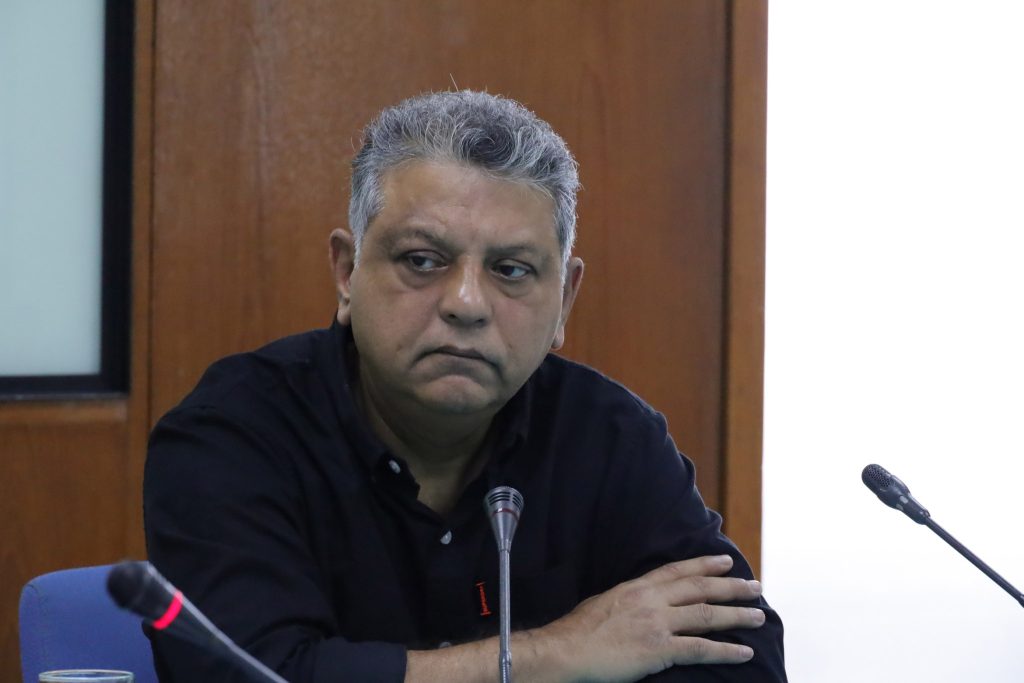
- คุณศาณินทร์ ตริยานนท์ ประธาน TASPO และนายกสมาคมผู้ผลิตไบโอดีเซลไทย นำเสนอในหัวข้อ “จากน้ำมันปาล์มดิบสู่ผลิตภัณฑ์ที่มีมูลค่าเพิ่มสูง การยกระดับน้ำมันปาล์มของไทย และความต้องการใหม่จากตลาดจีน” โดยมีประเด็นสำคัญครอบคลุม ดังนี้ ประเทศไทยมีกำลังการผลิตน้ำมันปาล์มดิบ (CPO) ที่เข้มแข็ง และเติบโตอย่างต่อเนื่อง มุ่งเน้นการขยายตลาดทั้งใน และต่างประเทศด้วยปริมาณผลผลิตที่เพิ่มขึ้น ควบคู่กับการยกระดับ มาตรฐานการผลิต ให้เป็นไปตามหลักความยั่งยืนสากล เพื่อสร้างความมั่นใจแก่ผู้ซื้อทั่วโลก อย่างไรก็ตาม ความผันผวนของราคาน้ำมันในตลาดโลกส่งผลกระทบโดยตรง ต่อโครงสร้างความต้องการใช้น้ำมันปาล์ม ทั้งในภาคอุตสาหกรรมอาหาร (Edible Oil) และภาคพลังงานชีวภาพ (Biodiesel) การสร้างสมดุลการบริหารจัดการ อุปทานระหว่างสองภาคร่วมกัน จึงเป็นปัจจัยสำคัญในการรักษาสเถียรภาพราคา และความมั่นคงทางอาหาร และพลังงานของประเทศ ท่ามกลางภาวะเศรษฐกิจ ความผันผวนทางภูมิรัฐศาสตร์ และต้นทุนที่ปรับตัวสูงขึ้น ภาคอุตสาหกรรมไทยได้เร่งปรับตัว และเสริมสร้างศักยภาพการผลิต เพื่อเปลี่ยนความท้าทายให้เป็นโอกาสทางธุรกิจ ในการก้าวสู่ตลาดผลิตภัณฑ์มูลค่าสูง โดยเฉพาะการให้ความสำคัญกับการต่อยอด และสร้างความเชื่อมโยงกับอุตสาหกรรมปลายน้ำ เช่น อุตสาหกรรมอาหาร และสินค้าอุปโภคบริโภค ภายใต้แนวคิดหลักคือ “How can we create more value from existing production – while enhancing sustainability” หรือการสร้างมูลค่าเพิ่มสูงสุดจากฐานการผลิตที่มีอยู่ ควบคู่กับการยกระดับมาตรฐานความยั่งยืนในทุกขั้นตอน ซึ่งประเทศไทยได้เน้นย้ำบทบาทสำคัญของ TASPO ผู้เป็นแกนหลักในการขับเคลื่อนอุตสาหกรรม ปาล์มน้ำมันยั่งยืนของไทย ผ่านการบูรณาการความร่วมมือระหว่างเกษตรกร โรงสกัด โรงกลั่น ผู้ผลิตโอลิโอเคมี และผู้มีส่วนได้ส่วนเสีย ตลอดจนการส่งเสริมมาตรฐานสากล เช่น RSPO เพื่อสร้างระบบห่วงโซ่อุปทานที่เป็นมิตรต่อสิ่งแวดล้อม และตรวจสอบย้อนกลับได้ เพื่อส่งเสริมให้อุตสาหกรรมปาล์มน้ำมันไทย ก้าวต่อไปด้วยฐานการผลิตวัตถุดิบที่มั่นคง เทคโนโลยีการกลั่นขั้นสูง และความร่วมมือเชิงยุทธศาสตร์ (Strategic Partnership) กับพันธมิตรระหว่างประเทศ เช่น ประเทศจีน ประเทศไทยพร้อมที่จะก้าวสู่การเป็นศูนย์กลางการผลิต และส่งออกผลิตภัณฑ์ปาล์มน้ำมันยั่งยืนและโอลิโอเคมีคัลมูลค่าสูงในระดับภูมิภาค
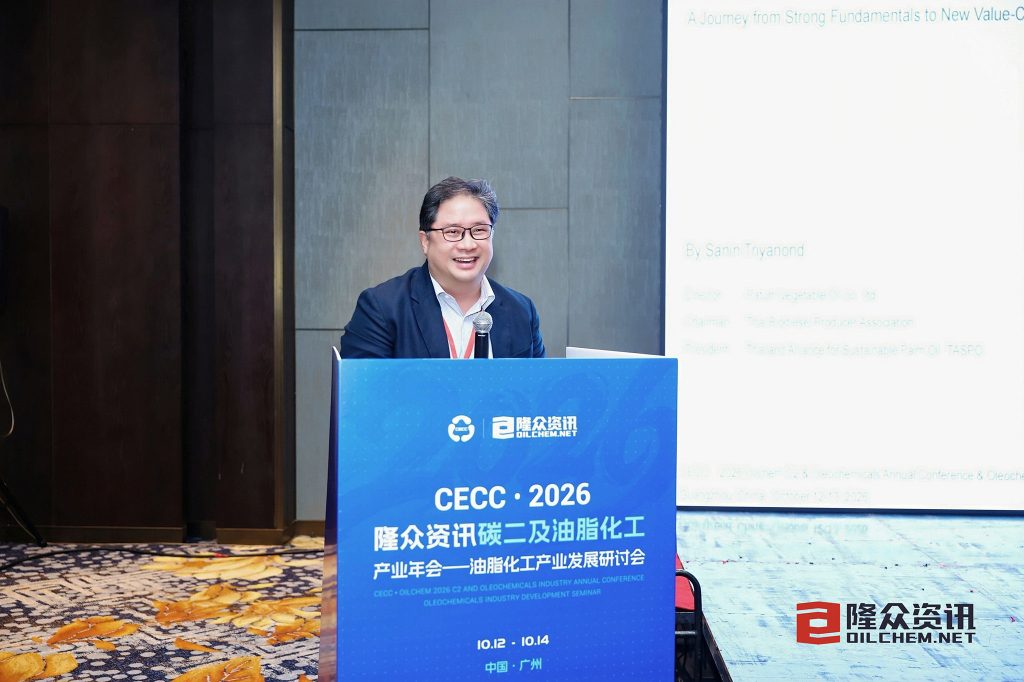
เวทีการสัมมนาในครั้งนี้ ไม่ได้เป็นเพียงแการแลกเปลี่ยนมุมมอง แต่ยังเป็นการประกาศวิสัยทัศน์สำคัญ ในการผลักดันอุตสาหกรรมโอลิโอเคมีของจีน ให้ก้าวขึ้นเป็นศูนย์กลางการพัฒนาระดับสากล โดยมี เสถียรภาพของห่วงโซ่วัตถุดิบ เป็นรากฐานสำคัญ ทั้งนี้ ก้าวต่อไปในอนาคต คือ การบูรณาการกำลังการผลิตเชิงยุทธศาสตร์ระหว่างไทยและจีน เพื่อขับเคลื่อนการเปลี่ยนผ่านของอุตสาหกรรม (Industrial Transition) สู่การประยุกต์ใช้เทคโนโลยีขั้นสูง และยกระดับสายการผลิตสู่ผลิตภัณฑ์มูลค่าเพิ่ม (High-Value-Added) อย่างยั่งยืน
TASPO and RSPO Attend the CECC 2026 OilChem C2 and Oleochemical Industry Annual Conference – Oleochemical Industry Development Seminar, Expanding the Palm Oil Market into China’s Oleochemical Sector
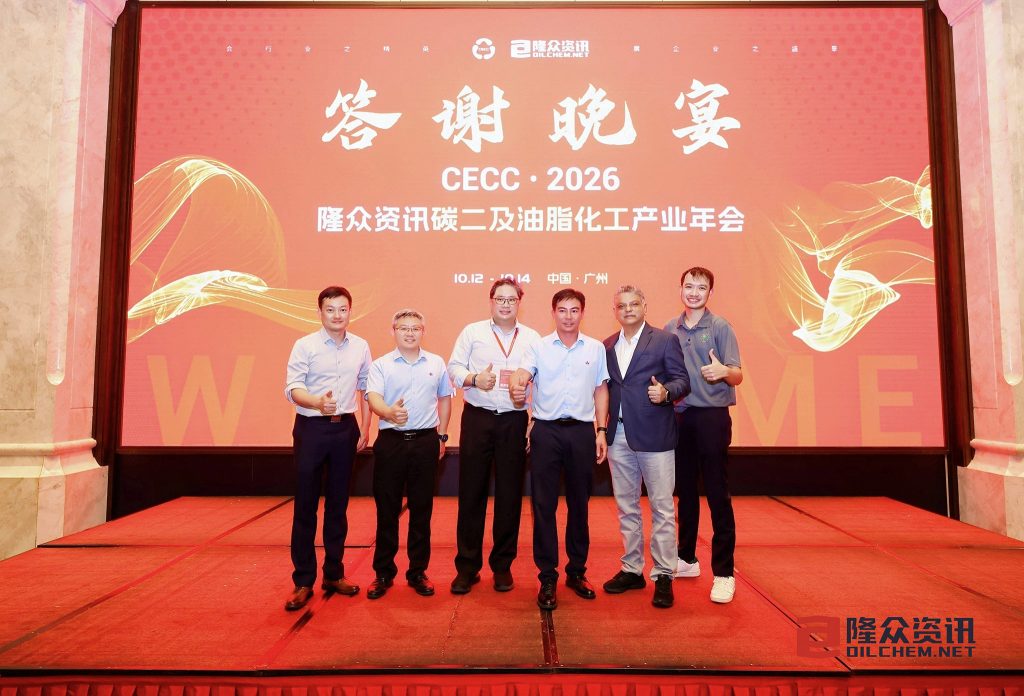
TASPO and RSPO attend the CECC 2026 OilChem C2 and Oleochemical Industry Annual Conference – Oleochemical Industry Development Seminar to establish strategic bilateral cooperation between Thailand and China in linking quality palm oil raw material resources and Thailand’s standardised industrial systems to meet the market demands of China.
GUANGZHOU, CHINA, 12-13 October 2026 — The Thailand Alliance for Sustainable Palm Oil (TASPO) and the Roundtable on Sustainable Palm Oil (RSPO) were honoured to be invited by Shandong Longzhong Information Technology Co., Ltd. to attend the CECC 2026 OilChem C2 and Oleochemical Industry Annual Conference – Oleochemical Industry Development Seminar, held at the Steigenberger Guangzhou Hotel in Guangzhou, the People’s Republic of China. The objective of this event was to establish strategic bilateral cooperation between Thailand and China in connecting high-quality palm oil raw material resources and Thailand’s standardised industrial system with the demands of the Chinese market. This initiative aims to foster increased commercial trade value, technological sharing, and cross-border resource integration. Furthermore, it focuses on encouraging enterprises to restructure their raw material procurement to ensure greater diversity, reducing reliance on single-origin sourcing, whilst unlocking opportunities to upgrade the oleochemical sector towards high-value-added products.
On 12 October 2026, the event organisers granted TASPO the privilege of participating in a business matching session with Chinese oleochemical enterprises. The participants encompassed manufacturing enterprises, commercial trading, distribution, and international trade firms, as well as logistics, transport, and warehousing companies. Meeting participants exchanged data and commercial perspectives to explore collaborative business opportunities, covering market expansion, identifying new trading partners, and engaging in trade aligned with green economy policies. The dialogue also addressed linking products across the entire supply chain to navigate the impacts of climate change, energy security concerns, and geo-economic challenges.
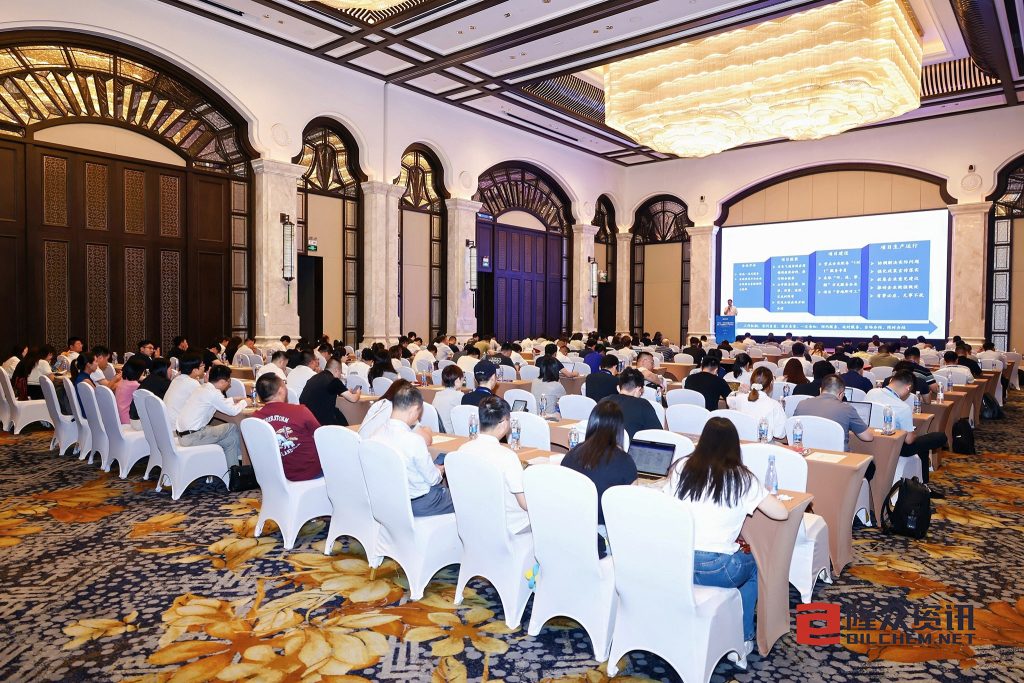
On 13 October 2026, a seminar session was held under the theme “Connecting Global Resources, Driving Sustainable Industrial Upgrading”, wherein the organisers invited TASPO to deliver keynote presentations, with key highlights as follows:
Mr Asanee Mallamphut, Vice Chairman of TASPO and President of the Thai Palm Oil Refinery Association, presented on the topic of “Southeast Asia Oleochemical Resources Empowering Synergistic and High-Quality Interconnected Development of the China-Thailand Oleochemical Industry Chain”. He highlighted the potential of Thailand’s palm oil industry as the world’s third-largest producer, underpinned by a stable and comprehensive supply chain encompassing oil palm smallholders, crushing mills, refineries, and related downstream industries. In addition to producing for domestic consumption and energy requirements, Thailand has expanded its production capacity and export orientation towards value-added industries, particularly the oleochemical sector, which boasts robust manufacturing capacity ready to satisfy raw material demand at regional and international levels.
In terms of Thailand’s export market, outbound shipments of Thai palm oil products have demonstrated steady growth, particularly oleochemicals and fatty acids, which have witnessed substantially increased demand within China. Establishing strategic partnerships and expanding exports to the Chinese market are considered pivotal opportunities. Furthermore, investment promotion schemes and tax incentives in Thailand actively attract foreign direct investment, thereby enhancing joint manufacturing capabilities between Thailand and China in raw material sourcing, technological development, and the consolidation of resilient regional supply chains. Regarding pricing outlooks, palm oil and derivative products are projected to follow upward global market trends; however, palm oil and finished goods from Thailand maintain a distinct competitive edge due to favourable tariff structures and preferential trade agreements when compared against regional competitors.
In addition, the Thai palm oil industry has implemented adaptive measures to address challenges arising from the El Niño phenomenon and geopolitical uncertainties that affect global crude and energy prices, drawing upon the support of sustainable palm oil production standards, which foster long-term confidence in traceability, environmental responsibility, and supply continuity.
Mr Sanin Triyanond, Chairman of TASPO and President of the Thai Biodiesel Producer Association, delivered a presentation entitled “From Crude Palm Oil to High-Value-Added Products – Thailand’s Palm Oil Refining Upgrading and New Demands from the Chinese Market”, detailing key aspects as follows: Thailand possesses a robust and expanding production capacity for crude palm oil (CPO), focusing on expanding both domestic and overseas markets through increased production volumes, alongside elevating production standards in alignment with international sustainability benchmarks to instil buyer confidence globally.
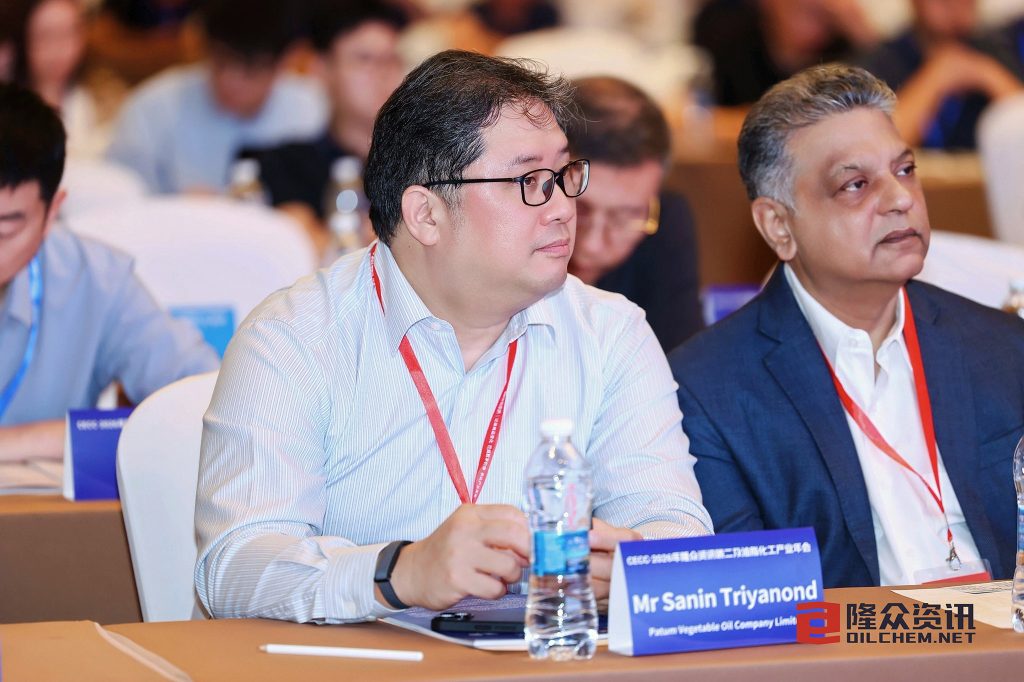
Nevertheless, volatility in global market oil prices directly affects the demand dynamics of palm oil across both the edible oil and biofuel sectors. Maintaining a balanced supply management system between these two sectors is therefore an essential factor in securing price stability as well as the nation’s food and energy security. Amid economic headwinds, geopolitical uncertainties, and rising costs, the Thai industrial sector has accelerated adaptation and enhanced productive capacities to transform challenges into commercial opportunities by entering high-value product segments. In particular, significant emphasis is placed on expanding and integrating with downstream industries, most notably the food and fast-moving consumer goods sectors, guided by the central concept of “How can we create more value from existing production – while enhancing sustainability”, meaning generating maximum added value from existing production infrastructure whilst improving sustainability performance at every stage.
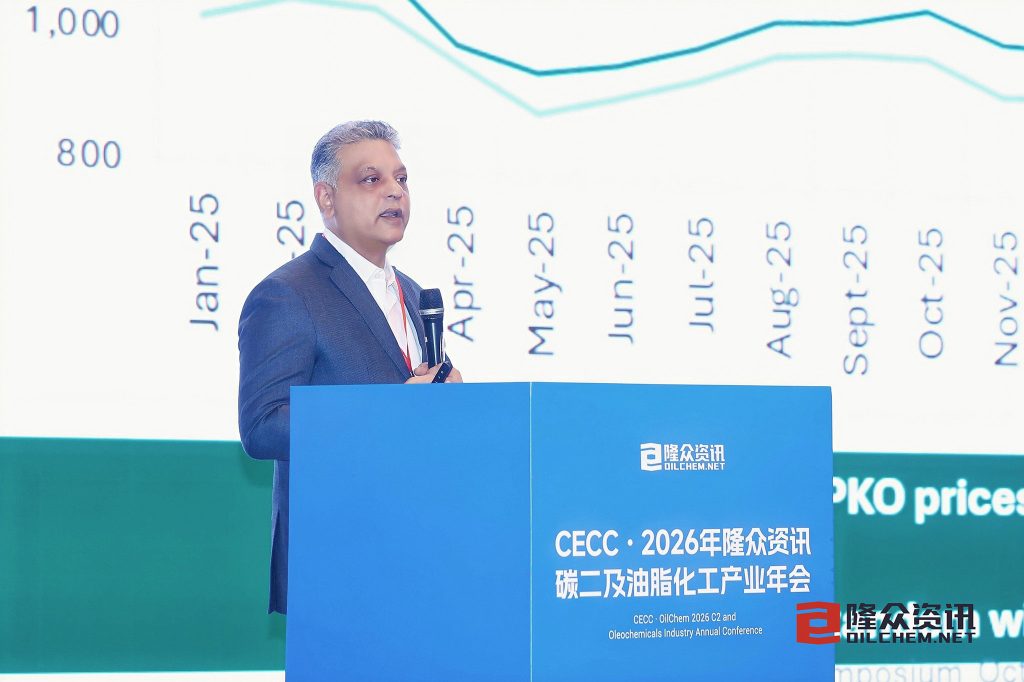
In this regard, Thailand highlighted the crucial role of TASPO as the primary anchor driving the nation’s sustainable palm oil industry through integrated collaboration among smallholders, extraction mills, refineries, oleochemical manufacturers, and relevant stakeholders, alongside the promotion of international standards such as the RSPO to build an environmentally friendly, fully traceable supply chain. To empower the Thai palm oil industry to advance with a secure raw material base, advanced refining technologies, and strategic partnerships with international allies such as China, Thailand is prepared to establish itself as a regional manufacturing and export hub for sustainable palm oil products and high-value oleochemicals.
Throughout the conference, comprehensive data, strategic perspectives, and visions were presented regarding the development and upgrading of China’s oleochemical industry into an international development centre. This vision aims to secure stable oleochemical raw material flows, which form an essential foundation for propelling the industry’s transition towards high-value raw material applications and advanced technological development through coordinated production capacity between China and Thailand in the future.
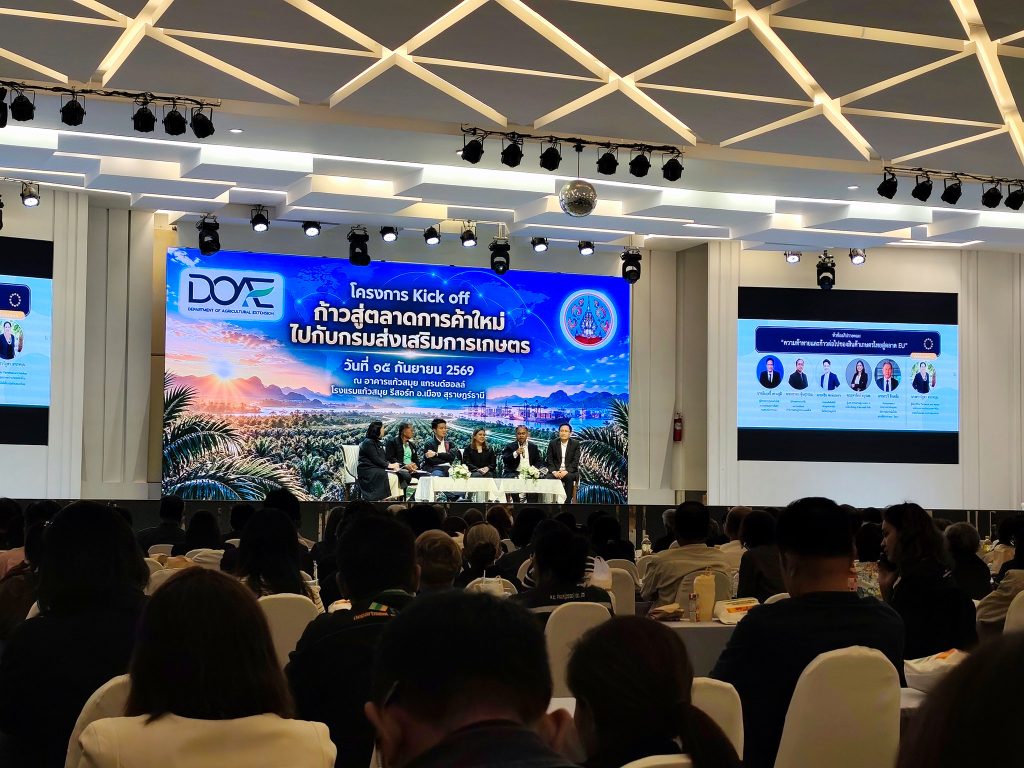
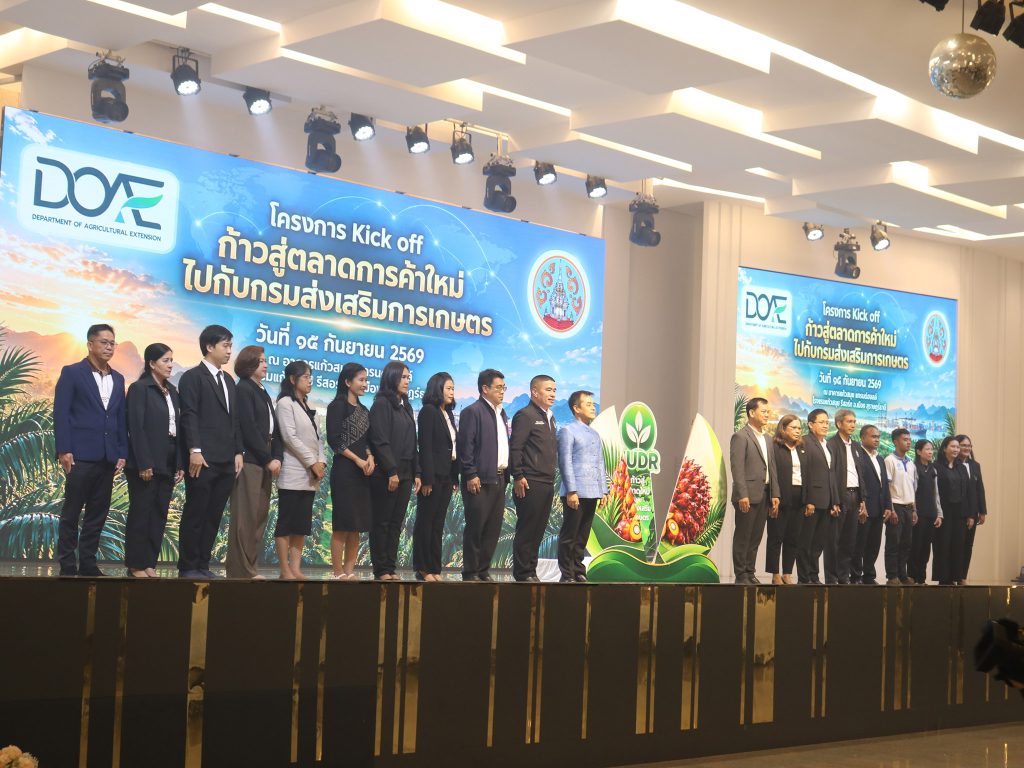
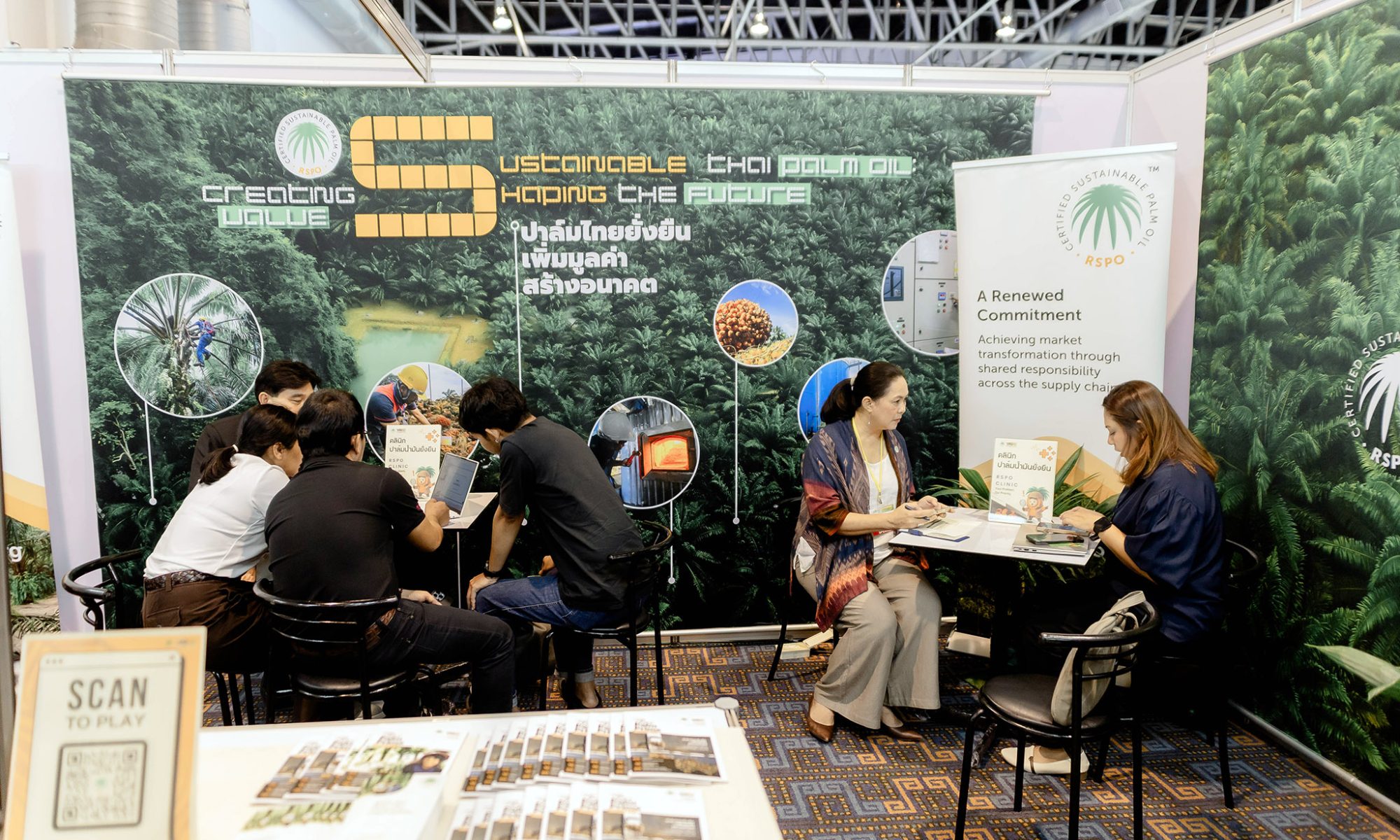
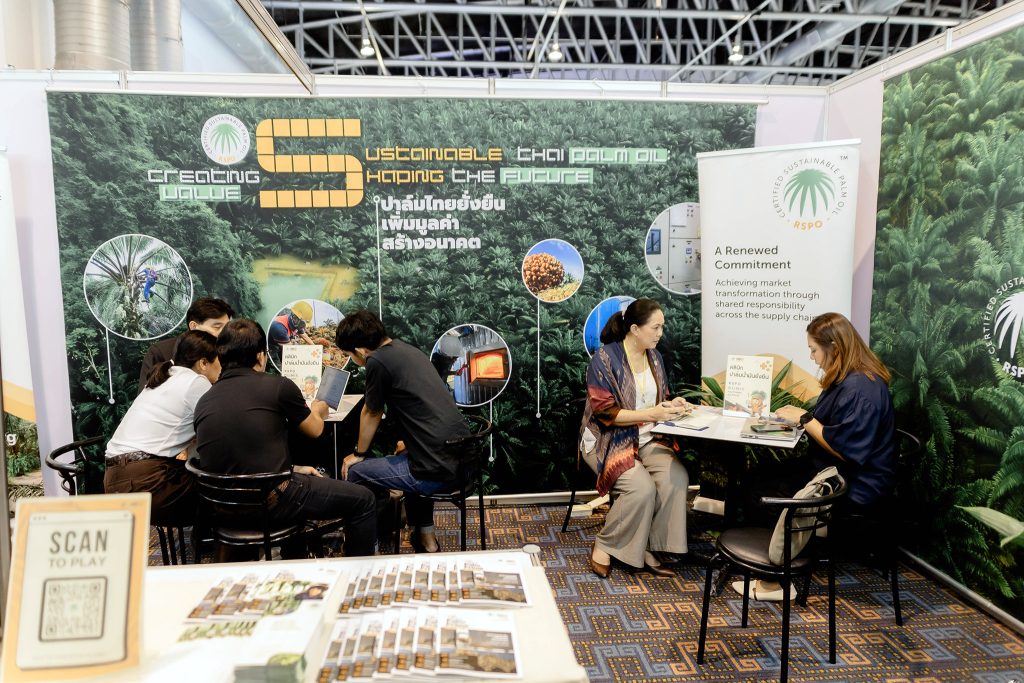
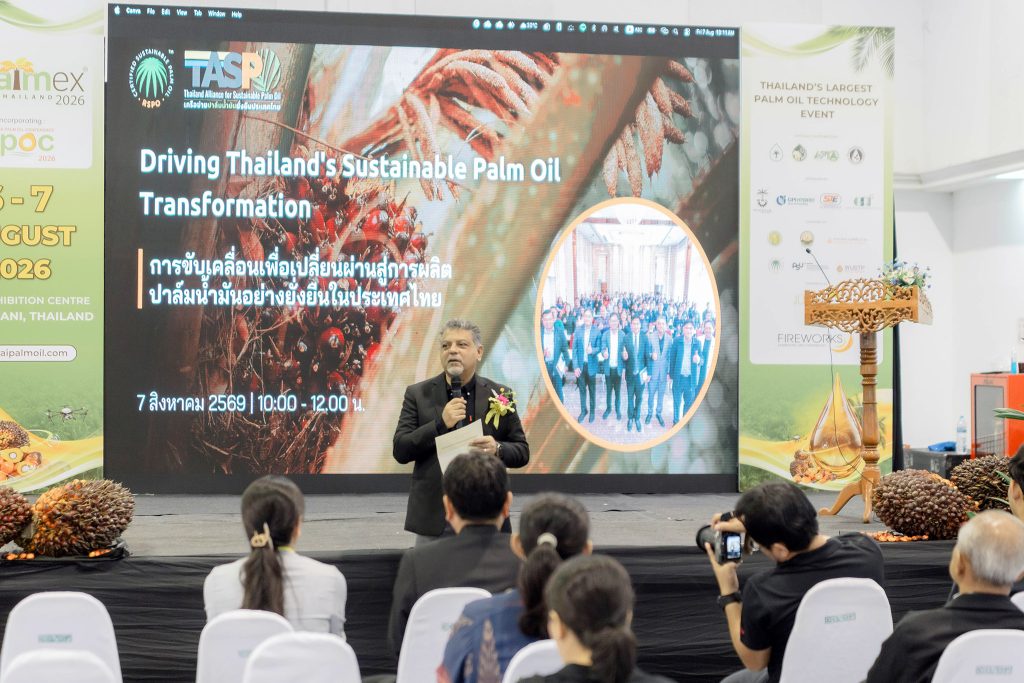
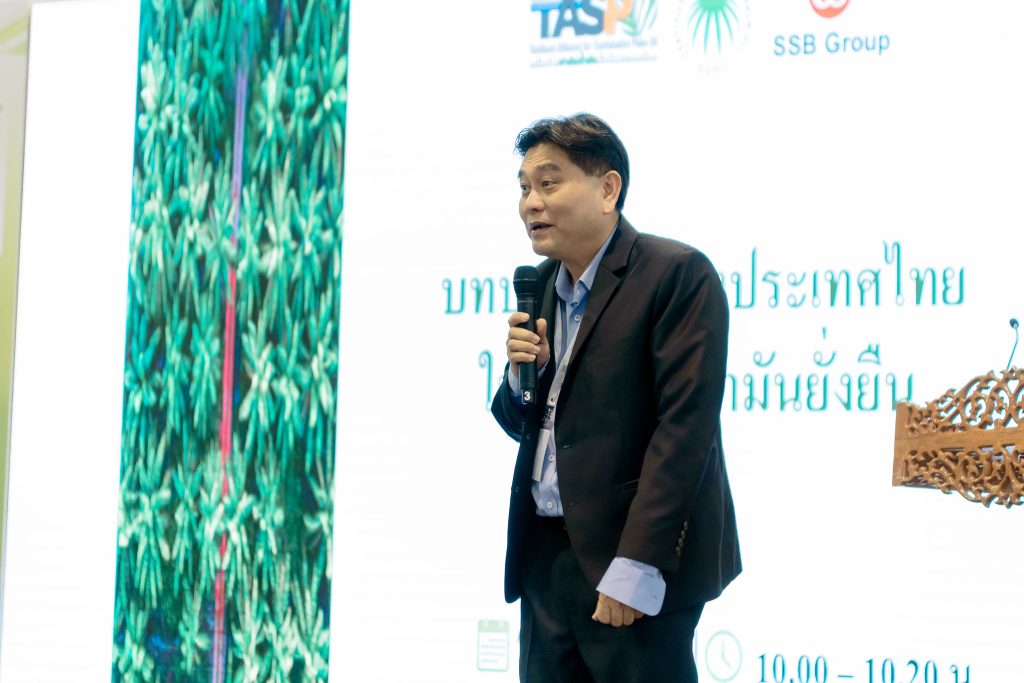
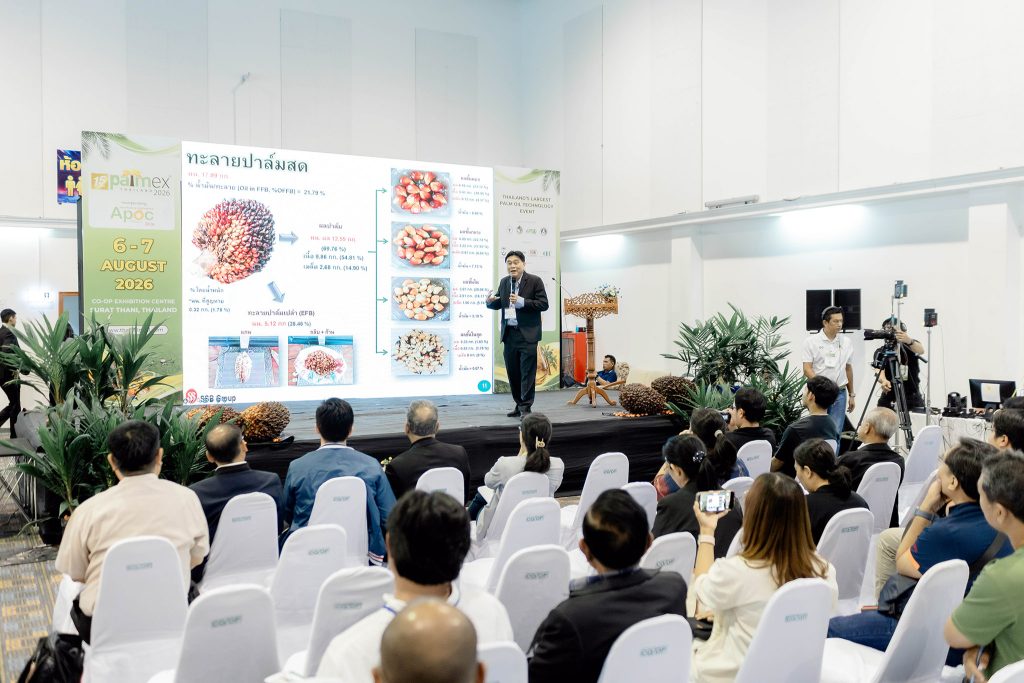
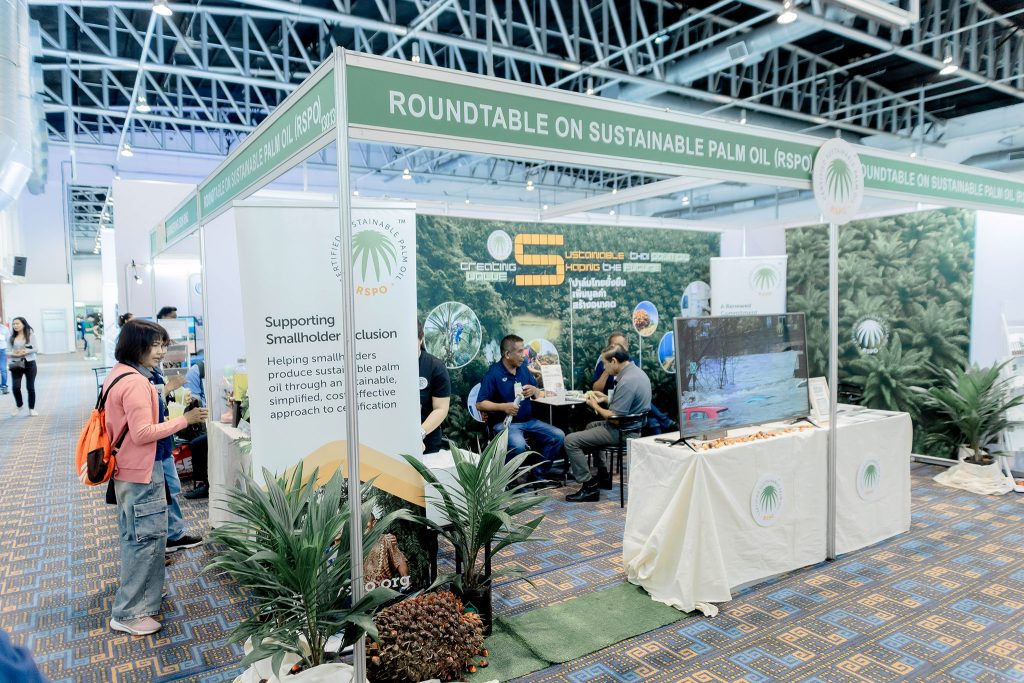
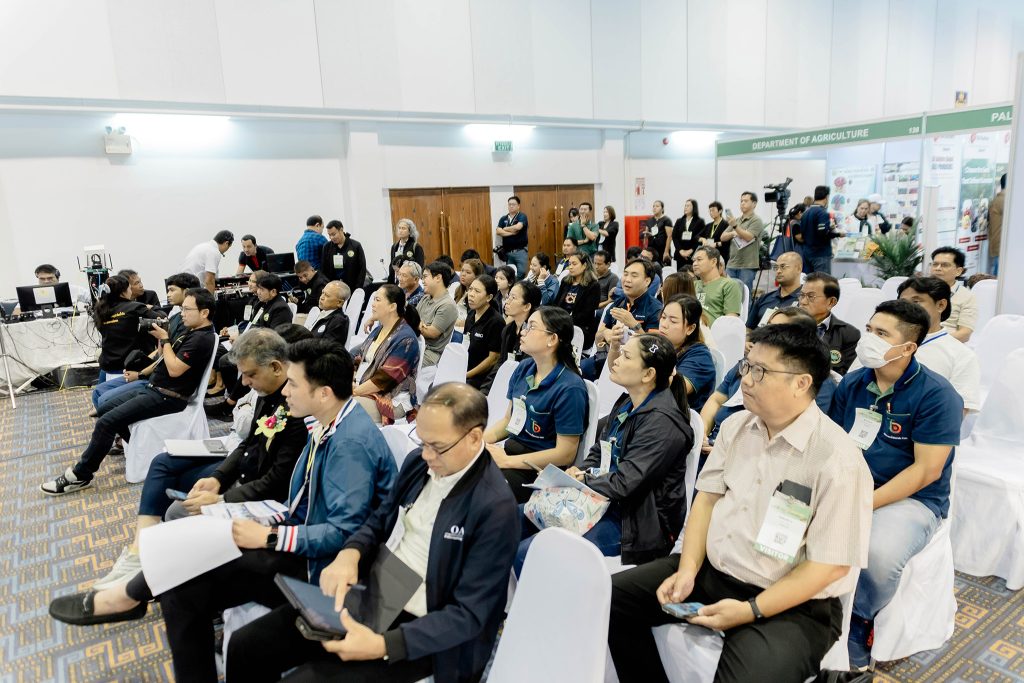
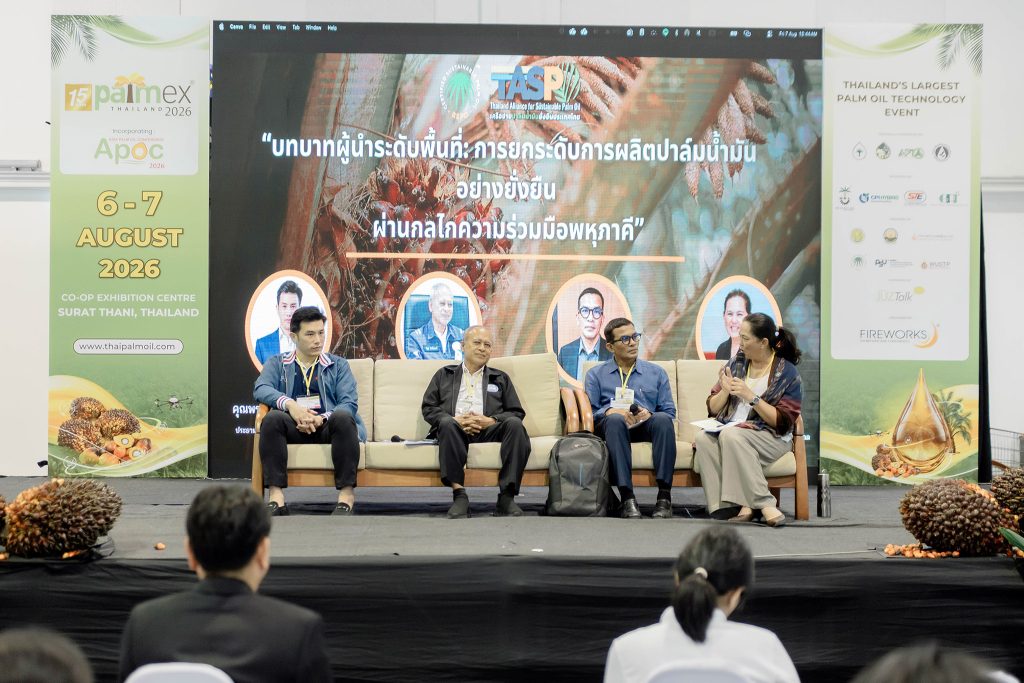
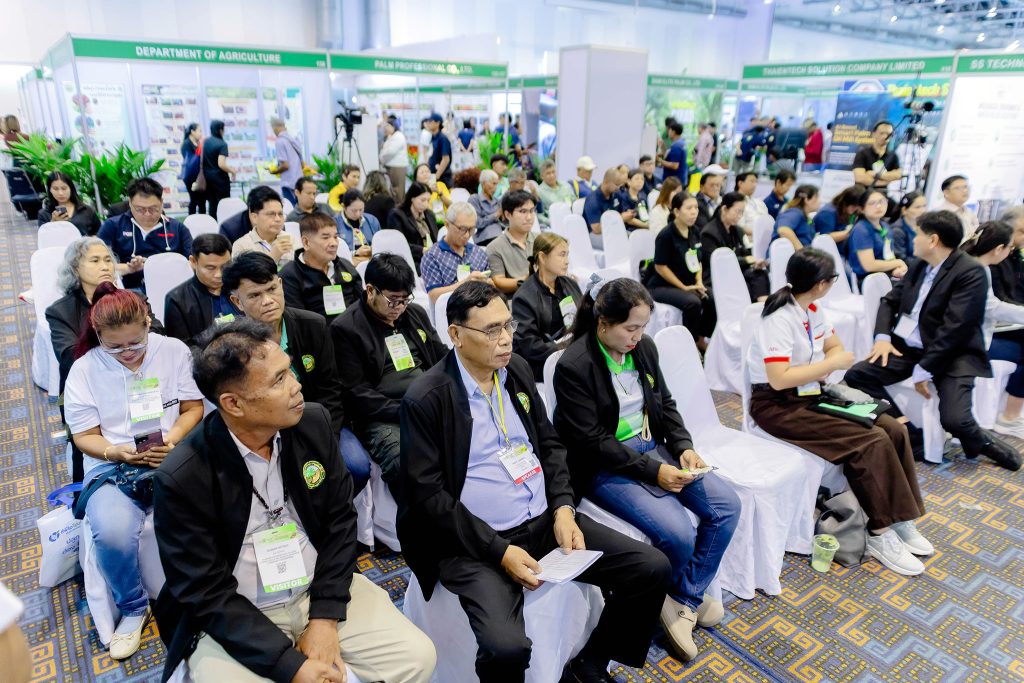
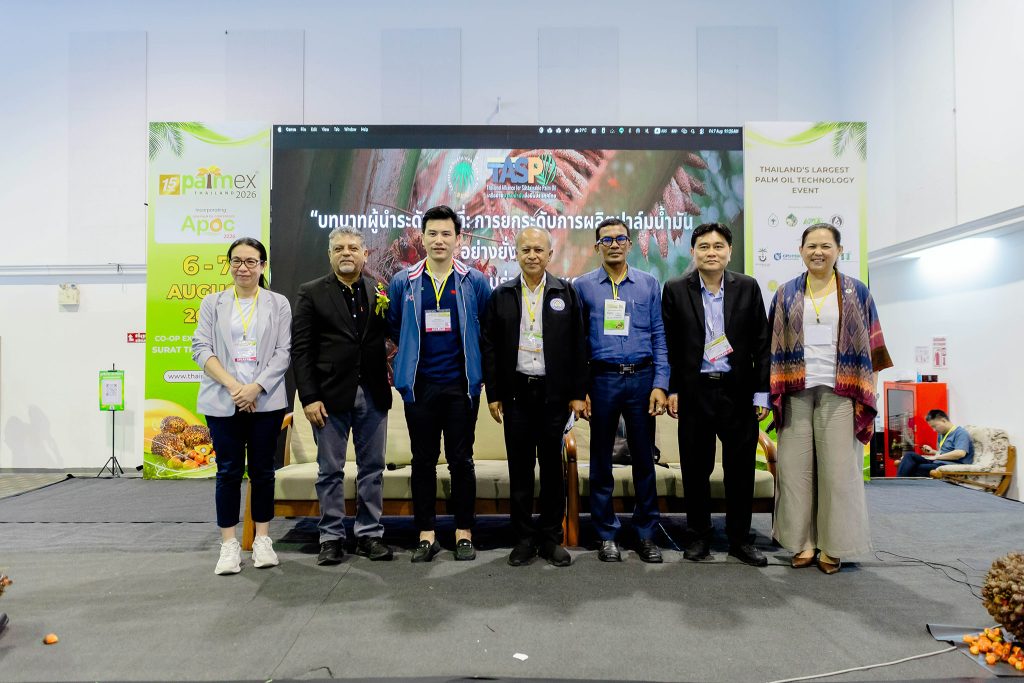
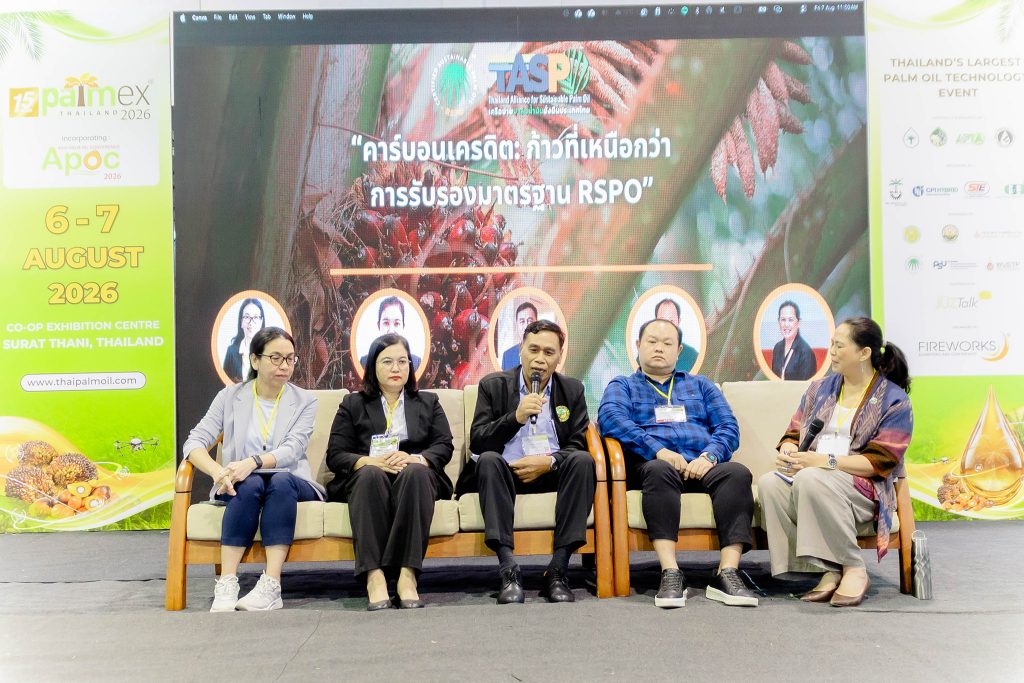
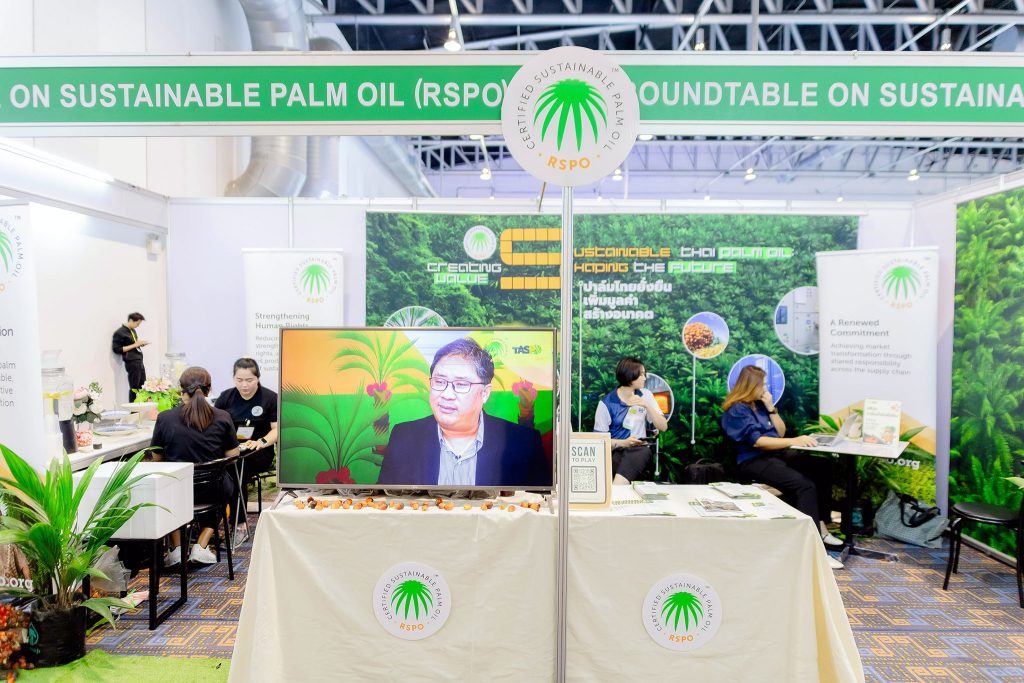
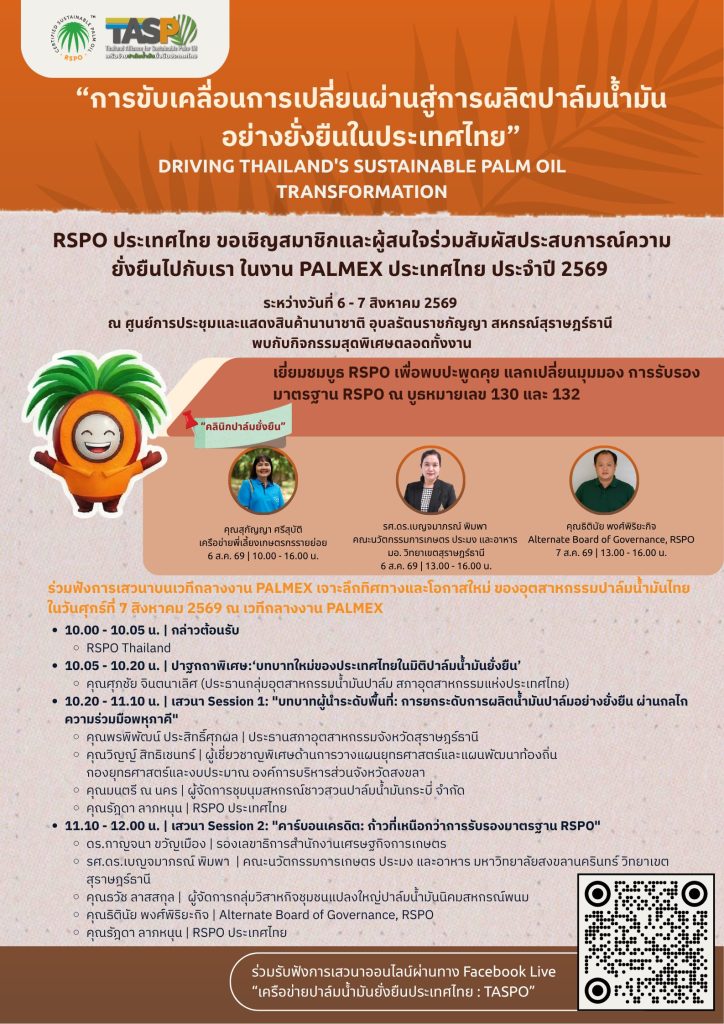
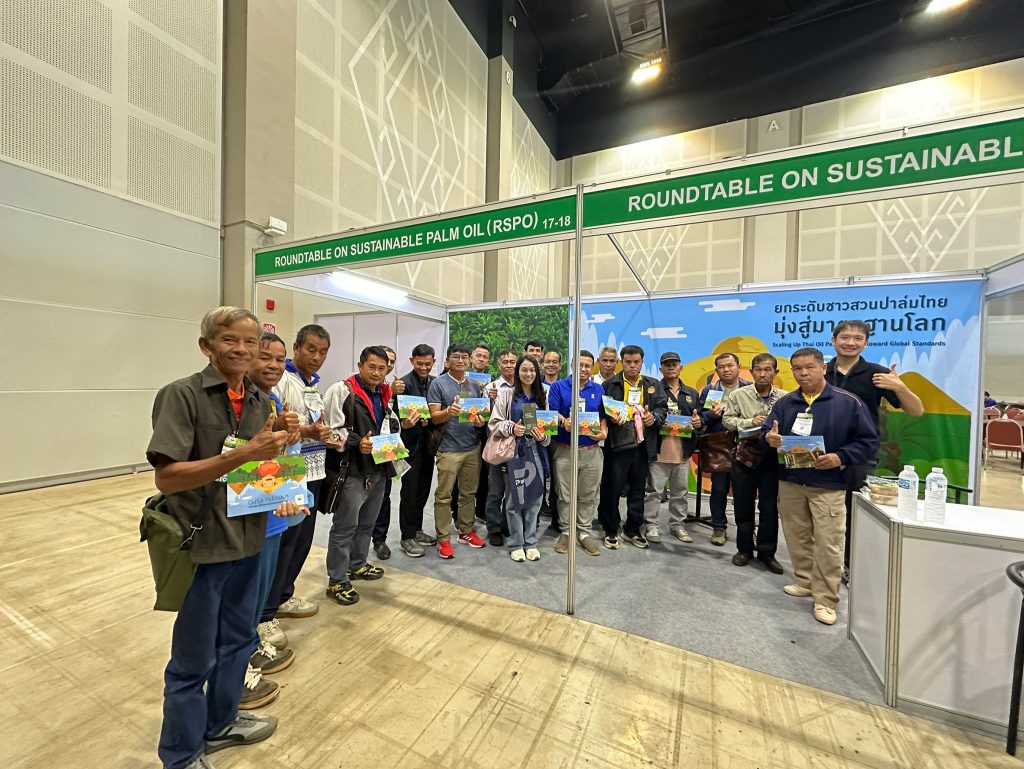
 RSPO ประเทศไทย ขอเชิญสมาชิก TASPO และผู้ที่สนใจทุกท่าน ร่วมสัมผัสประสบการณ์ความยั่งยืน และเป็นส่วนหนึ่งใน “การขับเคลื่อนการเปลี่ยนผ่านสู่การผลิตปาล์มน้ำมันอย่างยั่งยืนในประเทศไทย (DRIVING THAILAND’S SUSTAINABLE PALM OIL TRANSFORMATION)” ในงาน PALMEX ประเทศไทย ประจำปี 2569
 เยี่ยมชมบูธ RSPO (หมายเลข 130 และ 132) ร่วมพบปะพูดคุย แลกเปลี่ยนมุมมองเกี่ยวกับการรับรองมาตรฐาน RSPO พร้อมปรึกษาผู้เชี่ยวชาญอย่างใกล้ชิดใน “คลินิกปาล์มยั่งยืน”
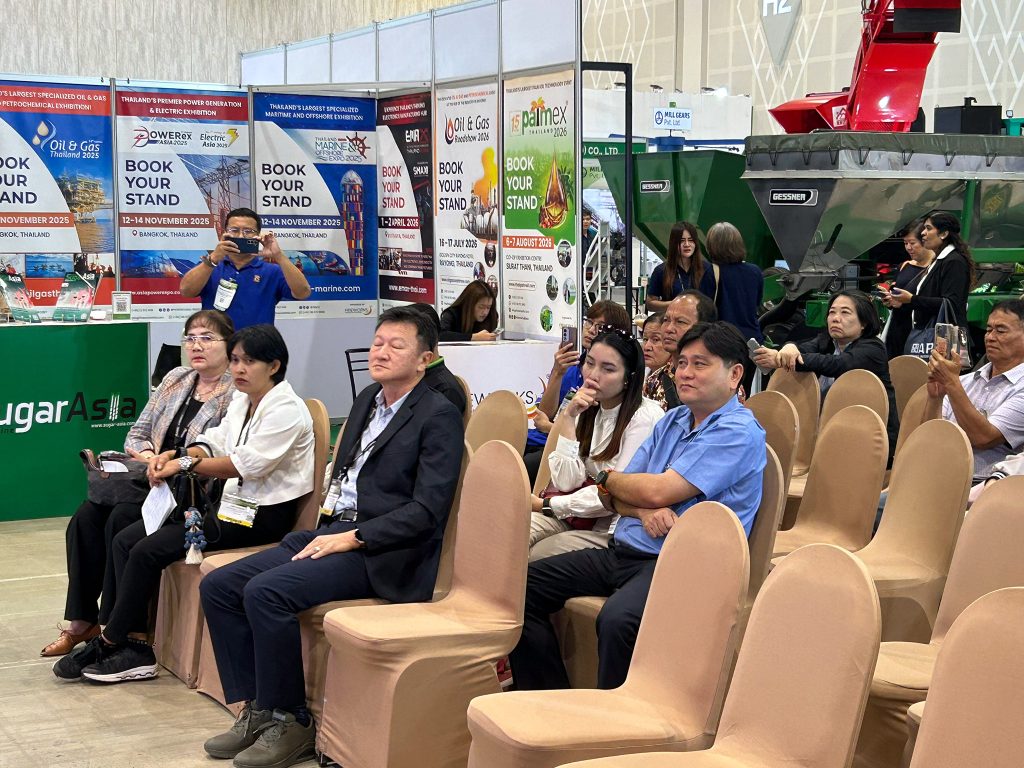
 พลาดไม่ได้! กับเวทีเสวนาเจาะลึกทิศทางและโอกาสใหม่ของอุตสาหกรรมปาล์มน้ำมันไทย (วันศุกร์ที่ 7 สิงหาคม 2569 ณ เวทีกลางงาน PALMEX)
 วันที่: 6 – 7 สิงหาคม 2569
  สถานที่: ณ ศูนย์การประชุมและแสดงสินค้านานาชาติ อุบลรัตนราชกัญญา สหกรณ์สุราษฎร์ธานี
 ไม่สะดวกร่วมงาน? สามารถรับชมการเสวนาออนไลน์แบบสด ๆ ได้ ผ่านทาง Facebook Live ที่เพจ “เครือข่ายปาล์มน้ำมันยั่งยืนประเทศไทย : TASPO” หรือสแกน QR Code จากในรูปภาพเพื่อรอรับชมได้เลยครับ
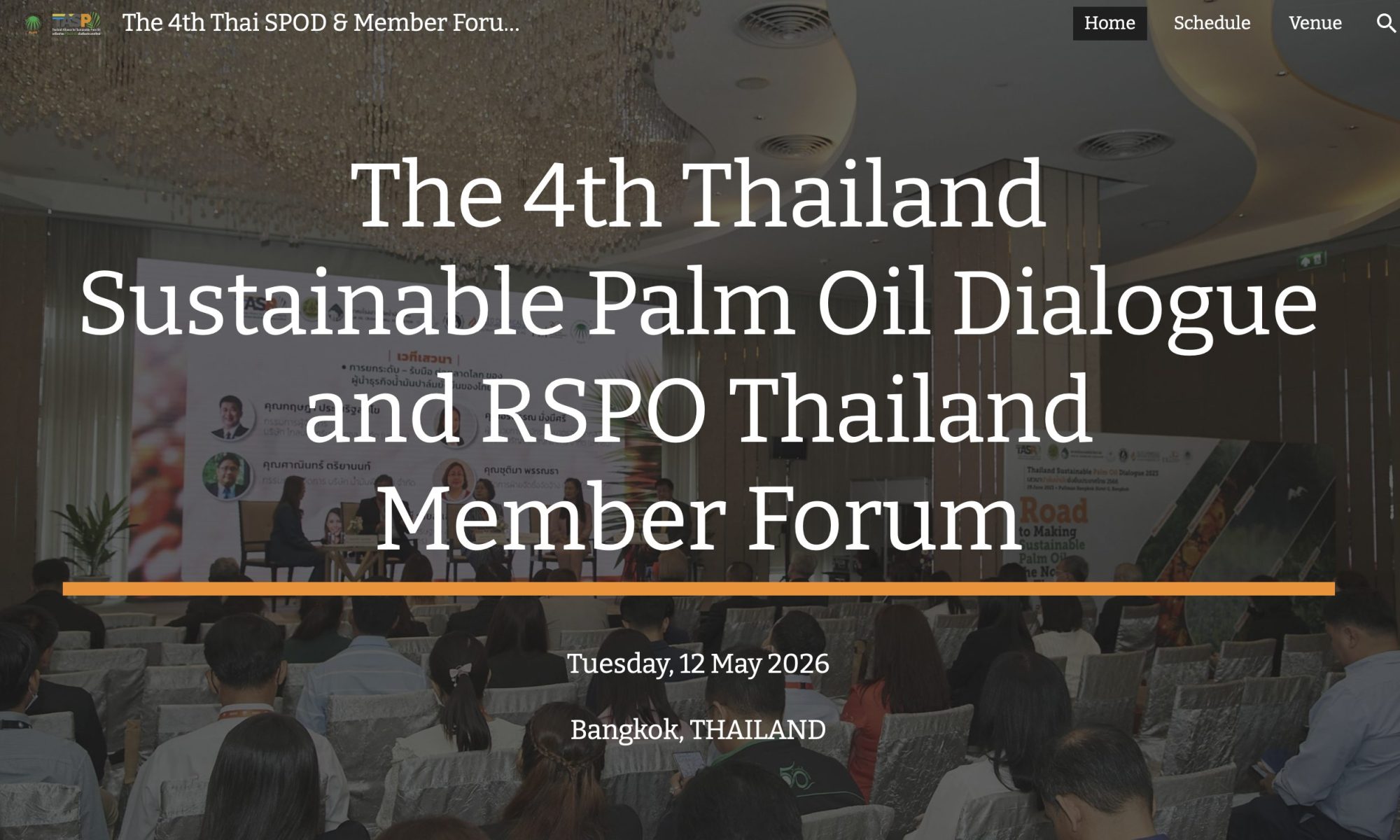
 วันอังคารที่ 12 พฤษภาคม 2569
 ข้อมูลเพิ่มเติมและลงทะเบียน: