
English below
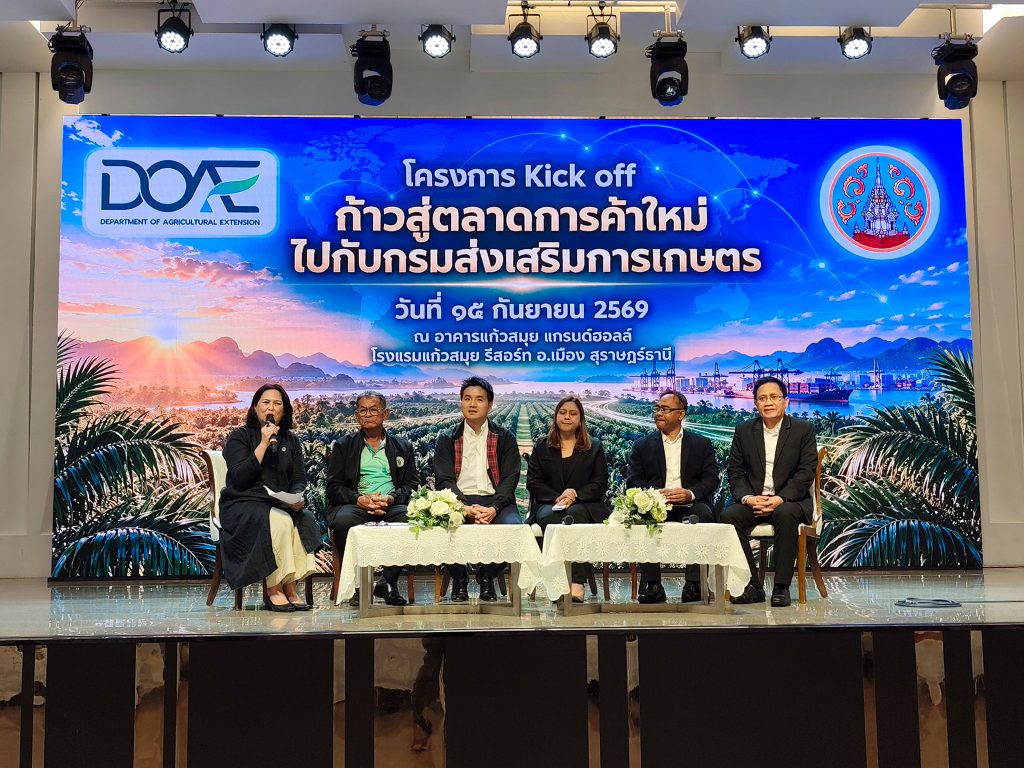
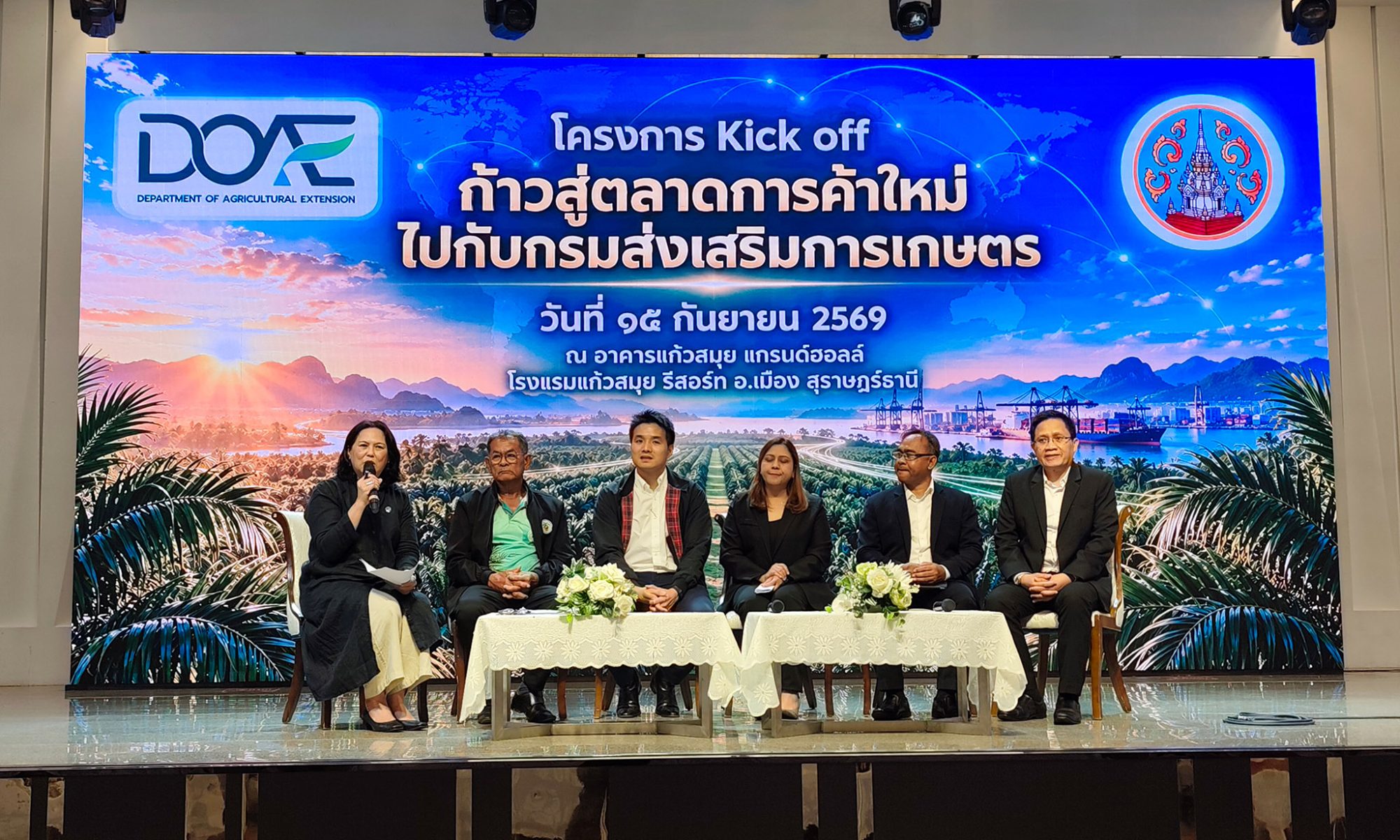
สุราษฎร์ธานี, 15 กันยายน 2569: RSPO ประเทศไทย ร่วมกับสมาชิก RSPO ประเทศไทย ได้รับเกียรติจาก กรมส่งเสริมการเกษตร กระทรวงเกษตรและสหกรณ์ ในการเข้าร่วมงาน โครงการ Kick off “ก้าวสู่ตลาดการค้าใหม่ ไปกับกรมส่งเสริมการเกษตร” โดยงานนี้มุ่งสร้างการรับรู้ และความเข้าใจเกี่ยวกับ กฎระเบียบว่าด้วยสินค้าที่ปลอดจากการตัดไม้ทำลายป่าของสหภาพยุโรป (European Union Deforestation-free Products Regulation หรือ EUDR) โดยเฉพาะการเผยแพร่ผลการดำเนินงาน การพัฒนาระบบ National EUDR Single Window ซึ่งเป็นระบบที่ภาครัฐของไทยได้พัฒนาขึ้น เพื่อให้ผู้ที่มีส่วนเกี่ยวข้องกับห่วงโซ่อุปทานสินค้าภายใต้กฎระเบียบ EUDR ได้ใช้เป็นแพลตฟอร์มกลาง ในการสนับสนุนการตรวจสอบย้อนกลับ (Traceability) ของสินค้า โดยงานนี้จัดขึ้น ณ วันที่ 15 กันยายน 2569 ณ โรงแรมแก้วสมุย รีสอร์ท อ.เมือง จ.สุราษฎร์ธานี โดยมีผู้ร่วมงานจากทางภาครัฐ ภาคเอกชน ผู้ประกอบการ และเกษตรกรในอุตสาหกรรมปาล์มน้ำมัน ในพื้นที่ภาคใต้เข้าร่วมงานดังกล่าว
การจัดกิจกรรมภายในงาน RSPO และ สมาชิก RSPO ประเทศไทย ได้รับเกียรติในการดำเนินการเสวนา ร่วมกับผู้แทนส่วนราชการ ในหัวข้อ “ความท้าทาย และก้าวต่อไปของสินค้าเกษตรไทยสู้ตลาด EU” โดยมีคุณรัฎดา ลาภหนุน ผู้จัดการด้านเทคนิคและการเปลี่ยนผ่านภาคการตลาด RSPO ประเทศไทย เป็นผู้ดำเนินการเสวนา โดยงการดสวนาสามารถสรุปสาระสำคัญ ได้ดังนี้
คุณสัมฤทธิ์ เทวะภูมิ ผู้อำนวยการศูนย์สารสนเทศและการสื่อสาร กรมส่งเสริมการเกษตร ได้เน้นย้ำถึง ความสำคัญของข้อมูลจากต้นน้ำ คือ ข้อมูลของเกษตรกร ในทะเบียนเกษตรกร ที่จะเป็นข้อมูลสำคัญ ในการตรวจสอบย้อนกลับ ในปัจจุบัน พบว่า เกษตรกรกรผู้ปลูกปาล์มน้ำมันส่วนใหญ่ ได้ดำเนินการขึ้นทะเบียนเกษตรกร กับกรมส่งเสริมการเกษตรแล้ว แต่ยังมีบางส่วนที่ยังไม่ขึ้น ทะเบียนเกษตรกร หรือบางครัวเรือน ยังขึ้นทะเบียนไม่ครบทุกแปลงที่ถือครอง จึงเป็นความท้าทายที่สำคัญ ในด้านข้อมูลที่จะใช้เป็นฐานสำหรับการตรวจสอบย้อนกลับของสินค้าปาล์มน้ำมัน
คุณบรรจบ ซุ้นสุวรรณ ผู้อำนวยการส่วนวิจัยและประเมินผล สำนักงานเศรษฐกิจการเกษตรที่ 8 ได้กล่าวถึงบทบาท ในด้านการกำหนดทิศทางระดับนโยบาย เนื่องจากเป็นหน่วยงานของประเทศ ที่จะต้องมีการประสาน ความร่วมมือกับประเทศต่าง ๆ โดยฉพาะประเทศผู้นำเข้าสินค้าเกษตรของไทย อย่างสหภาพยุโรป ซึ่งประเทศไทยเป็นประเทศที่ผลิตปาล์มน้ำมันเป็นอันดับที่ 3 ของโลก รองจากประเทศอินโดนีเซีย และมาเลเซีย อีกทั้ง ข้อได้เปรียบของประเทศไทย คือ ประเทศไทยได้รับการประเมิน และการจัดอันดับให้เป็นประเทศที่อยู่ในกลุ่มความเสี่ยงต่ำ จากสหภาพยุโรป จึงเป็นตัวแปรสำคัญที่ได้สามารถขยายตลาด และยกระดับการค้ากับสหภาพยุโรปได้มากยิ่งขึ้น ทั้งนี้ ขึ้นอยู่กับความพร้อมในการปรับตัว โดยเฉพาะด้านข้อมูล และความตระหนักถึงโอกาสที่สำคัญนี้ ในการส่งเสริมภาคการเกษตรไทยให้มีมูลค่ามากยิ่งขึ้น
ด้านคุณตริน พงษ์เภตรา ประธานกิตติมศักดิ์สภาอุตสาหกรรมจังหวัดสุราษฎร์ธานี ได้กล่าวว่า ภาคอุตสหกรรมปาล์มน้ำมัน ในส่วนข้องต้นน้ำ คือ เกษตรกร และกลางน้ำ คือ โรงสกัด ในพื้นที่ภาคใต้ ได้ตระหนักถึงความสำคัญของ EUDR แล้ว อย่างไรก็ดี เกษตรกรส่วนใหญ่ในพื้นที่ โดยเฉพาะจังหวัดสุราษฎร์ธานี และกระบี่ ได้เป็นเกษตรกรของ RSPO อยู่แล้ว ดังนั้น การเข้ามาของ EUDR จึงไม่ใช่ความท้าทายใหม่ที่เกิดขึ้น เนื่องจากเกษตรกร และโรงสกัดมีการเตรียมพร้อมด้านข้อมูล โดยเฉพาะข้อมูลด้านการตรวจสอบย้อนกลับ และข้อมูลแผนที่ของแหล่งกำเนิดปาล์มน้ำมันอยู่แล้ว แต่ความท้าทายที่เกิดขึ้น จะเกิดกับเกษตรกรที่ไม่ได้เข้าร่วม RSPO ที่อาจยังไม่ทราบถึงผลกระทบของ EUDR และความร่วมมือของภาคส่วนต่าง ๆ ทั้ง ภาครัฐ ภาคเอกชน และเกษตรกร ที่จะต้องร่วมมือกันในการรับมือกับกฎระเบียบใหม่ ที่ไม่อาจจะมีแค่ EUDR เพียงอย่างเดียวในอนาคต
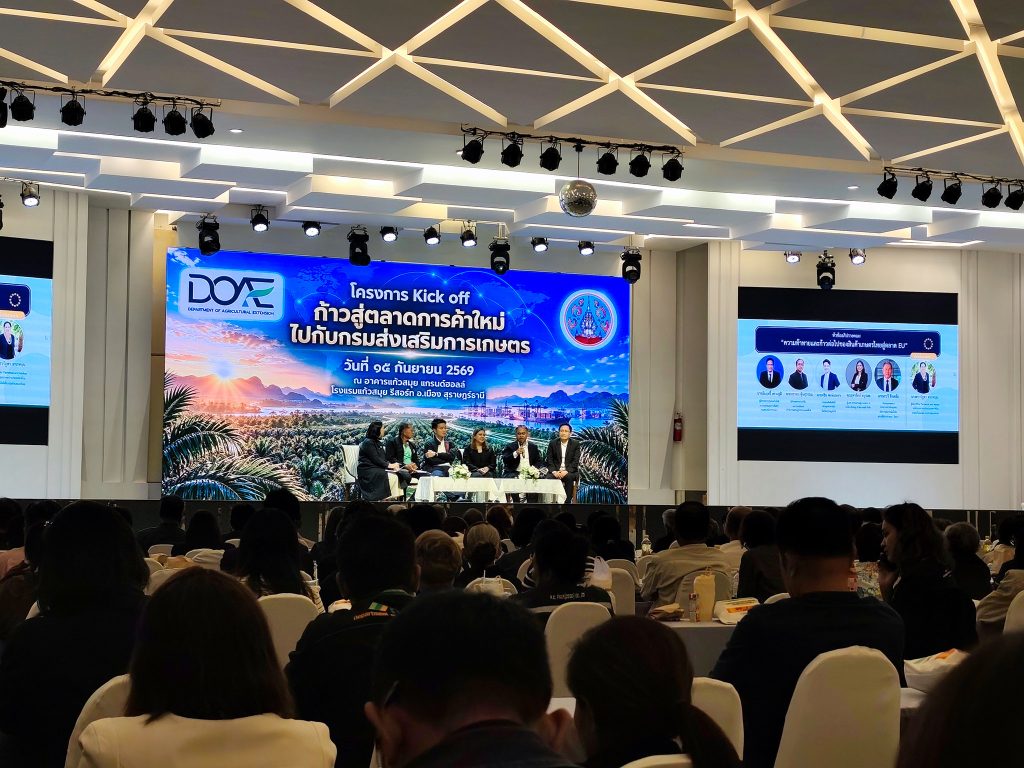
ซึ่งสอดคล้องกับคุณสุดารัตน์ หนูรอด ด้านผู้แทนของผู้ประกอบการโรงสกัดน้ำมันปาล์ม จากบริษัท ศรีเจริญปาล์มออย จำกัด ที่ให้ข้อมูลเสริมว่า ในภาคของเกษตรกร และผู้ประกอบการได้ดำเนินการด้านการเตรียมการจัดเก็บข้อมูลผลผลิต และข้อมูลแปลงเพราะปลูกของเกษตรกรแล้ว ผ่านระบบการจัดการข้อมูลผู้ขายปาล์มของโรงงาน และได้กล่าวเสริมว่า ความท้ายทายสำคัญต่อไป คือ การบูรณาการข้อมูลเกษตรกรจากภาคส่วนต่าง ๆ ทั้งข้อมูลทะเบียนเกษตรกร ข้อมูลการถือครองที่ดิน ข้อมูลเกษตรกร RSPO และข้อมูลของภาคเอกชน ต้องมีการเชื่อมโยงข้อมูลกันให้เป็นเอกภาพ เพื่อที่จะให้เกิดระบบ National Single Window ที่แท้จริง ในส่วนของผู้แทนเกษตรกรผู้ปลูกปาล์มน้ำมัน
คุณสววี รักเหล็ก ประธานวิสาหกิจชุมชนเพื่อการผลิตน้ำมันปาล์มอย่างยั่งยืน ท่าชนะ-ไชยา ได้ให้ข้อมูลเสริมว่า เมื่อ EUDR เข้ามากระทบถึงตัวเกษตรกร เป็นเรื่องที่ยากที่เกษตรกรทั่วไปจะเข้าใจถึงความสำคัญของ EUDR รวมถึงประโยชน์ที่เกษตรกรได้รับ ซึ่งภาครัฐจำเป็นต้องสื่อสารเรื่องนี้ให้ชัดเจน ทั้งนี้ กลุ่มเกษตรกร RSPO จะสามารถปรับตัวกับ EUDR ได้ เนื่องจากมีข้อกำหนดบางส่วนที่มีความสอดคล้องกัน โดยเฉพาะประเด็นพื้นที่ที่ต้องไม่มีการบุกรุกป่า ซึ่ง RSPO มีข้อมูลพื้นที่ของเกษตรกร และปฏิบัติตามข้อกำหนดอยู่แล้ว จึงนับเป็นข้อได้เปรียบเมื่อเปรียบเทียบกับเกษตรกรทั่วไป
การริเริ่มพัฒนาระบบ National EUDR Single Window ของภาครัฐ นับเป็นสิ่งที่สำคัญในการสร้างโครงสร้างพื้นฐาน เพื่อรองรับกฎระเบียบ EUDR อย่างไรก็ตาม การสร้างการรับรู้ และการพัฒนาระบบตรวจสอบย้อนกลับที่มีประสิทธิภาพ และโปร่งใส ยังคงเป็นความท้าทายที่ผู้มีส่วนได้ส่วนเสียตลอดห่วงโซ่อุปทานต้องร่วมมือกันผลักดัน เพื่อยกระดับอุตสาหกรรมปาล์มน้ำมันและสร้างโอกาสทางการค้าให้กับประเทศไทยต่อไป
Thai Palm Oil Sector Gears up for New EU Deforestation Regulations
SURAT THANI, 15 September 2026 – Representatives from the Roundtable on Sustainable Palm Oil (RSPO) Thailand and its local members recently joined forces with the Department of Agricultural Extension (DOAE) to launch an initiative aimed at preparing the agricultural sector for stringent new European trade rules.
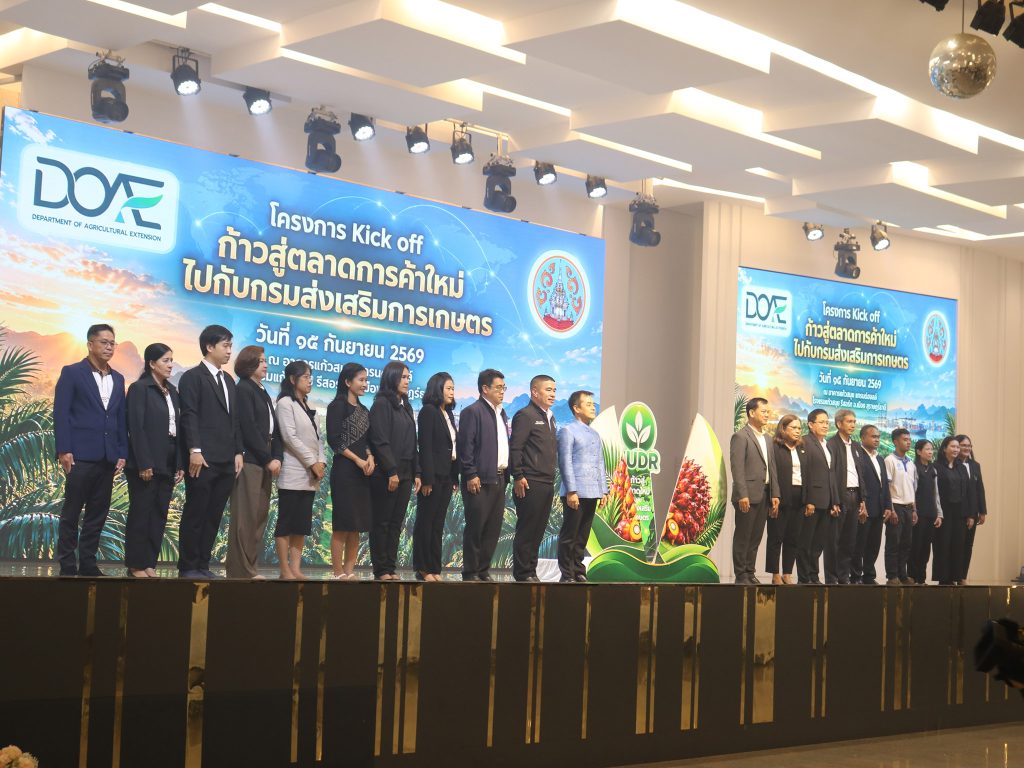
The kick-off event, titled “Stepping into New Trade Markets with the DOAE,” was primarily focused on raising awareness of the European Union Deforestation-free Products Regulation (EUDR). A central talking point of the gathering was the rollout of the “National EUDR Single Window”. Developed by the Thai government, this unified platform is designed to support supply chain traceability for stakeholders navigating the new European requirements. The event took place on 15 September 2026 at the Kaew Samui Resort in Surat Thani, drawing a diverse crowd of government officials, private sector representatives, business operators, and local palm oil farmers from across southern Thailand.
During the event, RSPO Thailand hosted a panel discussion examining the challenges and future trajectory of Thai agricultural exports to the EU. The session was moderated by Radda Larpnun, Technical and Market Transformation Manager for RSPO Thailand, and featured several key industry voices.
Samrit Tevaphoom, Director of the DOAE’s Information Technology and Communication Centre, highlighted the critical need for accurate upstream data. He noted that while the majority of palm oil growers are registered with the department, notable gaps remain. Some farmers are completely unregistered, whilst others have not declared all of their land holdings, presenting a significant hurdle for establishing reliable traceability for palm oil products. Providing a broader policy perspective, Banchob Sunsuwan, Director of the Research and Evaluation Division at the Office of Agricultural Economics (Region 8th), pointed out Thailand’s unique strategic position. As the world’s third-largest palm oil producer—trailing only Indonesia and Malaysia—Thailand benefits from being classified as a “low-risk” country by the EU. He argued that this status offers a distinct advantage for expanding European trade, provided the industry can successfully adapt its data practices and recognise the economic opportunities at stake.
According to Trin Pongpetra, Honorary Chairman of the Surat Thani Federation of Thai Industries, both upstream growers and midstream extraction mills in the region are already acutely aware of the EUDR. He observed that because most farmers in Surat Thani and Krabi are existing RSPO members, they already possess the necessary traceability and geolocation data, meaning the EU regulation does not pose a novel threat to their operations. Instead, he suggested the primary challenge lies with non-RSPO farmers who remain largely unaware of the impending impacts, necessitating urgent collaboration between the government, the private sector, and agricultural communities. Echoing these sentiments, Sudarat Nhurod, representing Sricharoen Palm Oil Ltd, confirmed that extraction mills are already actively collecting yield and plot data through their supplier management systems. She stressed that the next major hurdle will be consolidating fragmented data from various sources—including farmer registries, land ownership records, RSPO databases, and private sector logs—into a unified, truly functional National Single Window.
From the growers’ perspective, Sawawee Ruklek, Chairman of the Tha Chana-Chaiya Sustainable Palm Oil Community Enterprise, warned that the average farmer struggles to grasp the significance and potential benefits of the EUDR. He urged the government to improve its communication strategies to clarify these points. However, he noted that RSPO-certified farmers are well-positioned to adapt immediately, as the organisation’s strict zero-deforestation mandates closely align with the new European rules, giving them a distinct competitive edge.
Ultimately, the government’s development of a national traceability system marks a significant step towards robust EUDR compliance. Nevertheless, fostering widespread awareness and ensuring transparent, verifiable traceability across the entire supply chain remains a complex challenge that will require sustained, collaborative effort to unlock new trade opportunities for Thailand.